Active Yogurt Cultures L
Auto-generated content. This description was generated automatically and is pending editorial review. Inaccuracies are possible. Found a mistake? Contact us.
What it is
Active yogurt cultures are live bacteria, most commonly strains of Lactobacillus and Bifidobacterium. These bacteria ferment lactose, the sugar in milk, into lactic acid. This process gives yogurt its characteristic tangy flavor and thick texture.
Why it's used
Manufacturers add active yogurt cultures to yogurt and other fermented dairy products to aid in the fermentation process. They contribute to the desired texture, flavor, and shelf life of these foods. They are also sometimes added to other foods as a source of probiotics.
Health notes
Active yogurt cultures are generally recognized as safe (GRAS) by the FDA for use in foods. They are considered beneficial by many health organizations, as some strains may act as probiotics, which are live microorganisms that can provide health benefits when consumed in adequate amounts. The World Health Organization (WHO) and the Food and Agriculture Organization (FAO) of the United Nations have evaluated probiotics, but do not set specific ADIs for live cultures. Research is ongoing into the specific health effects of different strains.
Allergen info
Not a major allergen. However, yogurt itself is a dairy product, which is a major allergen.
Products containing Active Yogurt Cultures L
Compare products →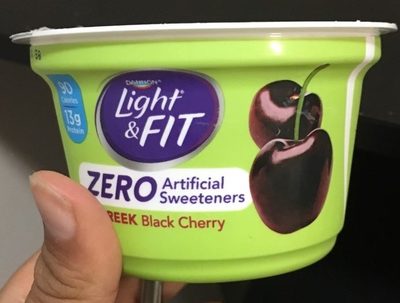 Danone US, LLC
Black Cherry Zero Artificial Sweeteners Greek Nonfat Yogurt, Black Cherry
60kcal
8.7Protein
0Fat
8Carbs
Danone US, LLC
Mixed Berry Zero Artificial Sweeteners Greek Nonfat Yogurt, Mixed Berry
60kcal
8.7Protein
0Fat
8Carbs
Danone US, LLC
Peach Mango Zero Artificial Sweeteners Greek Nonfat Yogurt, Peach Mango
60kcal
8.7Protein
0Fat
8Carbs
Danone US, LLC
Strawberry Zero Artificial Sweeteners Nonfat Yogurt, Strawberry
53kcal
3.3Protein
0Fat
10Carbs
Danone US, LLC
Lemon Cream Flavor Zero Artificial Sweeteners Nonfat Yogurt, Lemon Cream
53kcal
3.3Protein
0Fat
10Carbs
Danone US, LLC
Vanilla Zero Artificial Sweeteners Nonfat Yogurt, Vanilla
53kcal
3.3Protein
0Fat
10Carbs
Danone US, LLC
Apple Cinnamon Zero Artificial Sweeteners Greek Nonfat Yogurt, Apple Cinnamon
60kcal
8.7Protein
0Fat
8Carbs
Danone US, LLC
Caramel Toffee Flavor Zero Artificial Sweeteners Greek Nonfat Yogurt, Caramel Toffee
60kcal
8.7Protein
0Fat
8Carbs
Danone US, LLC
Blueberry Acai Zero Artificial Sweeteners Greek Nonfat Yogurt, Blueberry Acai
60kcal
8.7Protein
0Fat
8Carbs
Danone US, LLC
Black Cherry Zero Artificial Sweeteners Greek Nonfat Yogurt, Black Cherry
60kcal
8.7Protein
0Fat
8Carbs
Danone US, LLC
Mixed Berry Zero Artificial Sweeteners Greek Nonfat Yogurt, Mixed Berry
60kcal
8.7Protein
0Fat
8Carbs
Danone US, LLC
Peach Mango Zero Artificial Sweeteners Greek Nonfat Yogurt, Peach Mango
60kcal
8.7Protein
0Fat
8Carbs
Danone US, LLC
Strawberry Zero Artificial Sweeteners Nonfat Yogurt, Strawberry
53kcal
3.3Protein
0Fat
10Carbs
Danone US, LLC
Lemon Cream Flavor Zero Artificial Sweeteners Nonfat Yogurt, Lemon Cream
53kcal
3.3Protein
0Fat
10Carbs
Danone US, LLC
Vanilla Zero Artificial Sweeteners Nonfat Yogurt, Vanilla
53kcal
3.3Protein
0Fat
10Carbs
Danone US, LLC
Apple Cinnamon Zero Artificial Sweeteners Greek Nonfat Yogurt, Apple Cinnamon
60kcal
8.7Protein
0Fat
8Carbs
Danone US, LLC
Caramel Toffee Flavor Zero Artificial Sweeteners Greek Nonfat Yogurt, Caramel Toffee
60kcal
8.7Protein
0Fat
8Carbs
Danone US, LLC
Blueberry Acai Zero Artificial Sweeteners Greek Nonfat Yogurt, Blueberry Acai
60kcal
8.7Protein
0Fat
8Carbs