Added To Protect Quality
Auto-generated content. This description was generated automatically and is pending editorial review. Inaccuracies are possible. Found a mistake? Contact us.
What it is
Added To Protect Quality is not a specific ingredient but a general label statement indicating that one or more ingredients have been added to preserve the food's freshness, appearance, or taste. These can include preservatives, antioxidants, or other quality enhancers.
Why it's used
Manufacturers add these ingredients to prevent spoilage, maintain color, and ensure the product remains appealing and safe to eat over time. They are commonly found in foods with a longer shelf life or those susceptible to oxidation and microbial growth, such as pickles, salad dressings, and processed meats.
Health notes
The specific health implications depend entirely on the actual ingredients used to 'protect quality.' Preservatives and antioxidants used in foods are generally recognized as safe (GRAS) by the FDA when used as intended. International bodies like JECFA and EFSA have evaluated many such additives. While most are considered safe at typical consumption levels, some individuals may have sensitivities to specific compounds.
Allergen info
This label statement does not refer to a specific ingredient, so allergen status depends on the actual ingredients used. If the quality protection ingredients include any of the 9 major allergens (milk, egg, fish, shellfish, tree nuts, peanuts, wheat, soy, sesame), they must be declared on the ingredient list.
Products containing Added To Protect Quality
Compare products →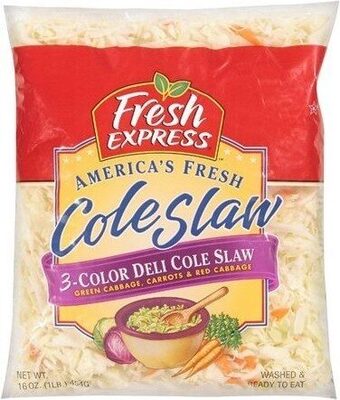 Fresh Express Incorporated
Fresh Express, Cole Slaw Kit
140kcal
1Protein
10Fat
13Carbs
RT Wholesale, LLC.
Chicken Caesar Wrap
High in sodium — 66% DV per serving
High in saturated fat — 35% DV per serving
286kcal
18.3Protein
14.1Fat
22.1Carbs
Litehouse Inc.
Litehouse, Balsamic Vinaigrette
116kcal
2.3Protein
8.1Fat
11.6Carbs
Litehouse Inc.
Thousand Island Dressing
419kcal
0Protein
39.5Fat
13.9Carbs
Fresh Express Incorporated
Fresh Express, Cole Slaw Kit
140kcal
1Protein
10Fat
13Carbs
RT Wholesale, LLC.
Chicken Caesar Wrap
High in sodium — 66% DV per serving
High in saturated fat — 35% DV per serving
286kcal
18.3Protein
14.1Fat
22.1Carbs
Litehouse Inc.
Litehouse, Balsamic Vinaigrette
116kcal
2.3Protein
8.1Fat
11.6Carbs
Litehouse Inc.
Thousand Island Dressing
419kcal
0Protein
39.5Fat
13.9Carbs