Aged Cheddar Cheese
What is Aged Cheddar Cheese?
Aged cheddar cheese is a firm, natural cheese made from cow's milk. It is produced by aging cheddar cheese for a period ranging from several months to several years, which develops a sharper, more complex flavor and a crumbly texture.
Is Aged Cheddar Cheese vegan?
No. Aged Cheddar Cheese is animal-derived, so it is not vegan.
Is Aged Cheddar Cheese gluten-free?
It does not contain gluten.
Is Aged Cheddar Cheese a major allergen?
Aged cheddar cheese is derived from milk, which is one of the 9 FDA major allergens.
What is Aged Cheddar Cheese used for?
Manufacturers use aged cheddar cheese primarily for its rich, savory flavor and firm texture.
Is Aged Cheddar Cheese safe?
Aged cheddar cheese is a natural food ingredient and not subject to FDA additive regulations.
Why it's used
Manufacturers use aged cheddar cheese primarily for its rich, savory flavor and firm texture. It is commonly found in cheese platters, as a topping for baked goods like mac and cheese, and as a key ingredient in savory snacks and appetizers.
Health notes
Aged cheddar cheese is a natural food ingredient and not subject to FDA additive regulations. It is a source of calcium, protein, and fat. The U.S. National Academies of Sciences, Engineering, and Medicine has established upper intake levels for calcium and saturated fat, which are relevant to overall dietary intake. Like other aged cheeses, it contains tyramine, which may affect some individuals.
Allergen info
Aged cheddar cheese is derived from milk, which is one of the 9 FDA major allergens. It does not contain gluten.
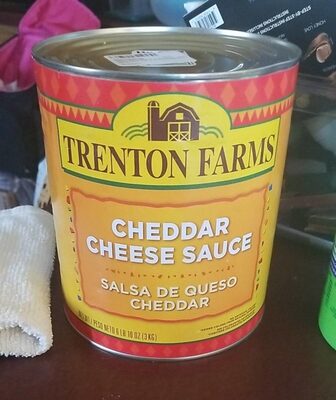
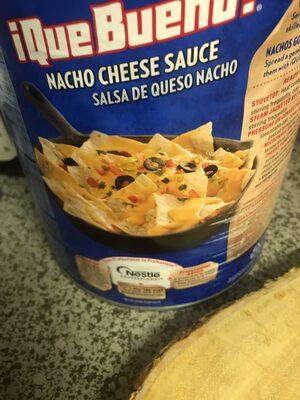
Foods that contain Aged Cheddar Cheese
Compare products →



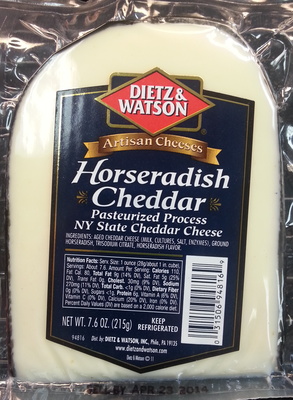
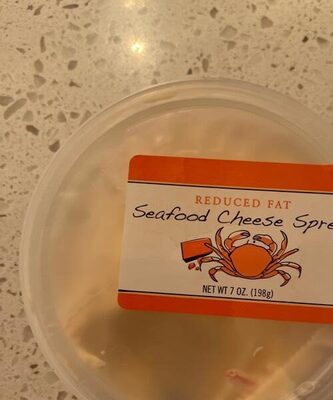



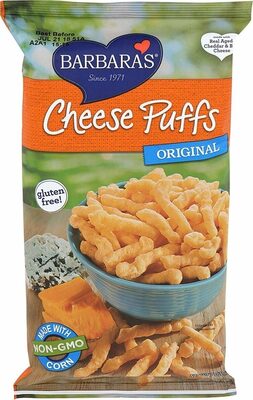

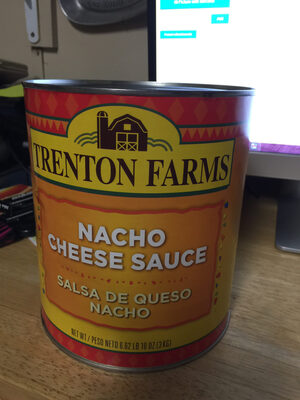
Learn more
Auto-generated content. This description was generated automatically and is pending editorial review. Inaccuracies are possible. Found a mistake? Contact us.