Aged Cheese
What is Aged Cheese?
Aged cheese is a type of cheese that has been ripened for a period ranging from a few months to several years. This aging process allows enzymes and bacteria to break down fats and proteins, developing complex flavors and textures. The specific aging time and conditions determine the final characteristics of the cheese.
Is Aged Cheese vegan?
No. Aged Cheese is animal-derived, so it is not vegan.
Is Aged Cheese gluten-free?
It does not contain gluten unless gluten-containing ingredients are added during processing.
Is Aged Cheese a major allergen?
Aged cheese is derived from milk, which is one of the FDA's nine major allergens.
What is Aged Cheese used for?
Aged cheese is primarily used to add a rich, savory flavor to a wide variety of foods.
Is Aged Cheese safe?
Aged cheese is generally recognized as safe (GRAS) by the FDA when used as a food ingredient.
Why it's used
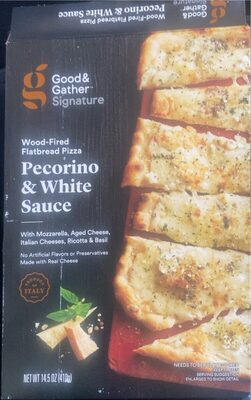
Aged cheese is primarily used to add a rich, savory flavor to a wide variety of foods. It is often grated or melted into dishes like pizzas, pasta sauces, soups, and casseroles. Its strong flavor profile also makes it a popular choice for cheese boards and as a topping for salads and appetizers.
Health notes
Aged cheese is generally recognized as safe (GRAS) by the FDA when used as a food ingredient. It is a source of protein, calcium, and other nutrients. Some aged cheeses contain high levels of sodium and saturated fat, which are dietary components that should be consumed in moderation. The WHO/IARC has not classified aged cheese as a carcinogen. JECFA has evaluated cheese and its components.
Allergen info
Aged cheese is derived from milk, which is one of the FDA's nine major allergens. It does not contain gluten unless gluten-containing ingredients are added during processing.
Foods that contain Aged Cheese
Compare products →

Learn more
Auto-generated content. This description was generated automatically and is pending editorial review. Inaccuracies are possible. Found a mistake? Contact us.