Alkali Process
What is Alkali Process?
Alkali processing, also known as the "Dutch process," is a method used to treat cocoa powder. It involves washing the cocoa nibs or powder with a solution of potassium carbonate or other alkaline salts to neutralize their natural acidity. This process darkens the color of the cocoa and mellows its flavor, making it less bitter.
Is Alkali Process vegan?
Alkali Process is not animal-derived. Products that contain it can still include other animal-derived ingredients, so check the full ingredient list.
Is Alkali Process a major allergen?
Not a major allergen.
What is Alkali Process used for?
Manufacturers use alkali processing to reduce the bitterness and acidity of cocoa powder, making it smoother and easier to mix into foods.
Is Alkali Process safe?
Alkali-processed cocoa powder is generally recognized as safe (GRAS) by the FDA for use in food.
Why it's used
Manufacturers use alkali processing to reduce the bitterness and acidity of cocoa powder, making it smoother and easier to mix into foods. It also helps to create a darker, richer color. This treated cocoa is commonly found in baked goods like cookies and cakes, as well as in chocolate-flavored beverages, ice cream, and candies.
Health notes
Alkali-processed cocoa powder is generally recognized as safe (GRAS) by the FDA for use in food. The alkali treatment does reduce the levels of certain beneficial compounds like flavanols found in natural cocoa. However, at typical consumption levels, it is not associated with adverse health effects. International bodies like EFSA have evaluated cocoa and its derivatives, and JECFA has established acceptable daily intakes for related compounds.
Allergen info
Not a major allergen. Cocoa itself is not one of the nine major allergens, nor is it typically derived from them.
Foods that contain Alkali Process
Compare products →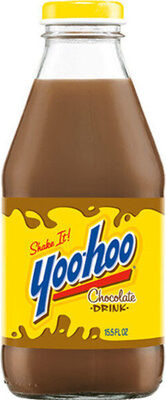
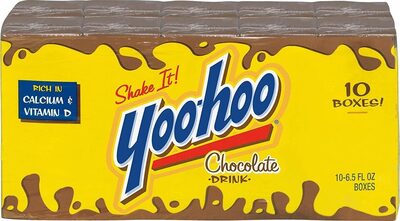

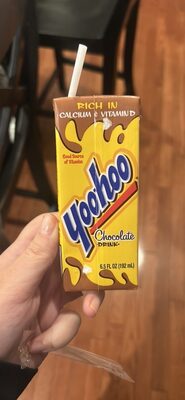
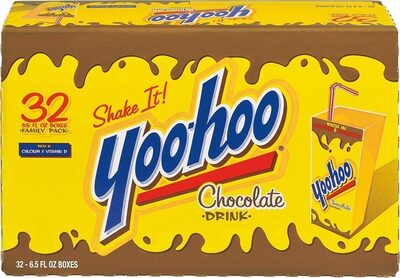
Auto-generated content. This description was generated automatically and is pending editorial review. Inaccuracies are possible. Found a mistake? Contact us.