Almond Nuts
Auto-generated content. This description was generated automatically and is pending editorial review. Inaccuracies are possible. Found a mistake? Contact us.
What it is
Almonds are the edible seeds of the almond tree (Prunus dulcis), native to the Middle East and South Asia. They are typically harvested, shelled, and then sold whole, sliced, or ground. Almonds are a good source of nutrients and have a mild, slightly sweet flavor.
Why it's used
Almonds are often added to foods for their flavor, texture, and nutritional value. They are commonly found in baked goods, confectionery, snack mixes, and dairy alternatives like almond milk. Manufacturers use them as a topping, ingredient, or flavoring agent.
Health notes
Almonds are recognized as safe (GRAS) by the FDA for general use in food. They are a source of healthy fats, fiber, and vitamin E. Regulatory bodies like EFSA have evaluated almonds and found them to be safe. While generally considered healthy, excessive consumption could contribute to weight gain due to their calorie density.
Allergen info
Almonds are classified as a tree nut, which is one of the 9 major food allergens recognized by the FDA. Individuals with tree nut allergies should avoid almonds.
Products containing Almond Nuts
Compare products →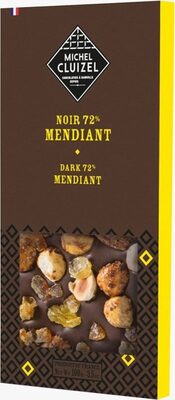 Legal Times
Michel Cluizel, Dark Mendiant
High in saturated fat — 50% DV per serving
570kcal
7.5Protein
42.5Fat
37.5Carbs
180 Snacks, Inc.
180 Snacks, Nutty Rice Bites With Cranberries
393kcal
7.1Protein
12.5Fat
71.4Carbs
Daniele International, Inc.
On-The Go
High in sodium — 29% DV per serving
High in saturated fat — 50% DV per serving
High in cholesterol — 68% DV per serving
308kcal
20Protein
24.2Fat
4.2Carbs
Daniele International, Inc.
Daniele Snack Packs
High in sodium — 27% DV per serving
High in saturated fat — 40% DV per serving
416kcal
23.4Protein
32.5Fat
6.5Carbs
Safeway, Inc.
Genoa Salame, Provolone Cheese & Hard Boiled Egg Snacker With Almonds Snack Box, Almonds
High in sodium — 29% DV per serving
High in saturated fat — 50% DV per serving
High in cholesterol — 72% DV per serving
319kcal
20.2Protein
24.4Fat
5.0Carbs
Legal Times
Michel Cluizel, Dark Mendiant
High in saturated fat — 50% DV per serving
570kcal
7.5Protein
42.5Fat
37.5Carbs
180 Snacks, Inc.
180 Snacks, Nutty Rice Bites With Cranberries
393kcal
7.1Protein
12.5Fat
71.4Carbs
Daniele International, Inc.
On-The Go
High in sodium — 29% DV per serving
High in saturated fat — 50% DV per serving
High in cholesterol — 68% DV per serving
308kcal
20Protein
24.2Fat
4.2Carbs
Daniele International, Inc.
Daniele Snack Packs
High in sodium — 27% DV per serving
High in saturated fat — 40% DV per serving
416kcal
23.4Protein
32.5Fat
6.5Carbs
Safeway, Inc.
Genoa Salame, Provolone Cheese & Hard Boiled Egg Snacker With Almonds Snack Box, Almonds
High in sodium — 29% DV per serving
High in saturated fat — 50% DV per serving
High in cholesterol — 72% DV per serving
319kcal
20.2Protein
24.4Fat
5.0Carbs