Alpha Amylase
Auto-generated content. This description was generated automatically and is pending editorial review. Inaccuracies are possible. Found a mistake? Contact us.
What it is
Alpha-amylase is an enzyme that breaks down starches into smaller sugars. It is naturally found in the saliva and digestive systems of humans and other animals, as well as in many microorganisms like bacteria and fungi. For food use, it is typically produced through fermentation by selected strains of bacteria or fungi.
Why it's used
Manufacturers add alpha-amylase to baked goods to improve dough handling, increase loaf volume, and create a softer crumb. It helps break down starches in flour, which can contribute to browning and flavor development. It is commonly found in products like cakes, cookies, muffins, and bread.
Health notes
Alpha-amylase is generally recognized as safe (GRAS) by the FDA for use in food. As an enzyme, it is broken down during digestion and is not absorbed by the body. International bodies like JECFA have evaluated alpha-amylase, and it is widely used globally. There are no significant health controversies associated with its typical consumption.
Allergen info
Alpha-amylase itself is not a major allergen. However, if it is produced using a substrate derived from wheat or other major allergens, trace amounts could potentially be present. It does not contain gluten.
Products containing Alpha Amylase
Compare products →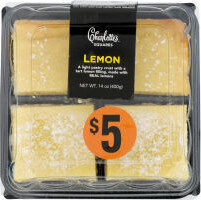 CHARLOTTE'S
Lemon Squares, Lemon
360kcal
4Protein
14Fat
50Carbs
CHARLOTTE'S
Chocolate Fudge Cake, Chocolate Fudge
High in saturated fat — 30% DV per serving
380kcal
2.5Protein
20.2Fat
48.1Carbs
CHARLOTTE'S
Lemon Squares, Lemon
360kcal
4Protein
14Fat
50Carbs
CHARLOTTE'S
Chocolate Fudge Cake, Chocolate Fudge
High in saturated fat — 30% DV per serving
380kcal
2.5Protein
20.2Fat
48.1Carbs