Also May Contain: Pure Vegetable Shortening
This entry is a label phrase. See the main ingredient page: Pure Vegetable Shortening.
What is Also May Contain: Pure Vegetable Shortening?
Pure vegetable shortening is a solid fat made from vegetable oils. It is produced by a process called hydrogenation, which converts liquid vegetable oils into a solid or semi-solid form at room temperature. This process helps to give shortening its characteristic texture and stability.
Is Also May Contain: Pure Vegetable Shortening vegan?
Also May Contain: Pure Vegetable Shortening is not animal-derived. Products that contain it can still include other animal-derived ingredients, so check the full ingredient list.
Is Also May Contain: Pure Vegetable Shortening a major allergen?
Pure vegetable shortening is not considered a major allergen itself.
What is Also May Contain: Pure Vegetable Shortening used for?
Manufacturers use vegetable shortening to provide flakiness in baked goods like pie crusts and pastries, and to create a tender texture in cookies and cakes.
Is Also May Contain: Pure Vegetable Shortening safe?
In the United States, the FDA considers vegetable oils, from which shortening is made, to be generally recognized as safe (GRAS).
Why it's used
Manufacturers use vegetable shortening to provide flakiness in baked goods like pie crusts and pastries, and to create a tender texture in cookies and cakes. It is also used in frying applications and to give a creamy consistency to frostings and fillings.
Health notes
In the United States, the FDA considers vegetable oils, from which shortening is made, to be generally recognized as safe (GRAS). However, the FDA determined that partially hydrogenated oils (PHOs), a type of fat often used to make shortening, are no longer GRAS as of 2018. This action effectively removed most artificial trans fats from the food supply due to concerns about their impact on heart health. Fully hydrogenated oils, which contain negligible amounts of trans fat, are still permitted. JECFA (the Joint FAO/WHO Expert Committee on Food Additives) has evaluated various fats and oils and generally considers them safe for consumption within dietary guidelines.
Allergen info
Pure vegetable shortening is not considered a major allergen itself. However, it is derived from vegetable oils, some of which (like soybean oil) are major allergens. Food labels should specify the source of the vegetable oil if it is a major allergen.
Foods that contain Also May Contain: Pure Vegetable Shortening
Compare products →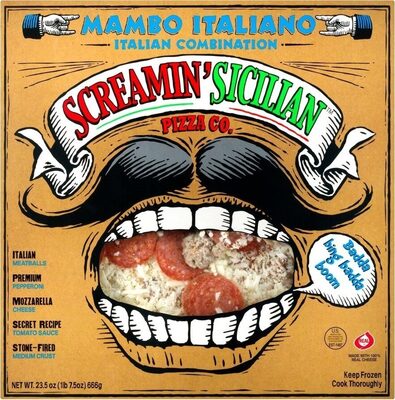 Palermo Villa Inc.
Screamin' Sicilian, Italian Combination Pizza
High in sodium — 39% DV per serving
High in saturated fat — 35% DV per serving
233kcal
10.5Protein
12.8Fat
18.8Carbs
Raley's
Spaghetti & Meatballs, Italian-Style
High in sodium — 54% DV per serving
High in saturated fat — 35% DV per serving
139kcal
6.8Protein
6.0Fat
15.4Carbs
Tino's Specialty Foods
Artisan Sub Meatball
High in sodium — 65% DV per serving
High in saturated fat — 40% DV per serving
192kcal
8.7Protein
7.0Fat
23.9Carbs
Safeway, Inc.
Italian-Style Spaghetti & Meatballs
138kcal
6.9Protein
5.4Fat
16.9Carbs
Safeway, Inc.
Spaghetti & Meatballs
138kcal
6.9Protein
5.4Fat
16.1Carbs
Palermo Villa Inc.
Screamin' Sicilian, Italian Combination Pizza
High in sodium — 39% DV per serving
High in saturated fat — 35% DV per serving
233kcal
10.5Protein
12.8Fat
18.8Carbs
Raley's
Spaghetti & Meatballs, Italian-Style
High in sodium — 54% DV per serving
High in saturated fat — 35% DV per serving
139kcal
6.8Protein
6.0Fat
15.4Carbs
Tino's Specialty Foods
Artisan Sub Meatball
High in sodium — 65% DV per serving
High in saturated fat — 40% DV per serving
192kcal
8.7Protein
7.0Fat
23.9Carbs
Safeway, Inc.
Italian-Style Spaghetti & Meatballs
138kcal
6.9Protein
5.4Fat
16.9Carbs
Safeway, Inc.
Spaghetti & Meatballs
138kcal
6.9Protein
5.4Fat
16.1Carbs
Learn more
Auto-generated content. This description was generated automatically and is pending editorial review. Inaccuracies are possible. Found a mistake? Contact us.