And Citric Acid
Auto-generated content. This description was generated automatically and is pending editorial review. Inaccuracies are possible. Found a mistake? Contact us.
What it is
Citric acid is a weak organic acid found naturally in citrus fruits like lemons and limes. It is commercially produced through the fermentation of sugar by specific molds, primarily Aspergillus niger. This process yields a pure, crystalline powder that is widely used in the food industry.
Why it's used
Manufacturers add citric acid primarily to regulate acidity and enhance flavor in foods and beverages. It acts as a preservative by inhibiting microbial growth and can also be used as an antioxidant to prevent spoilage. It is commonly found in candies, jams, jellies, soft drinks, and processed fruits and vegetables.
Health notes
Citric acid is generally recognized as safe (GRAS) by the U.S. Food and Drug Administration (FDA) for use in food. It is a natural component of metabolism and is safely processed by the body. International bodies like JECFA and EFSA have evaluated citric acid and found it safe for consumption. At typical dietary levels, it poses no known health risks.
Allergen info
Citric acid is not derived from any of the nine FDA major allergens and does not contain gluten.
Products containing And Citric Acid
Compare products →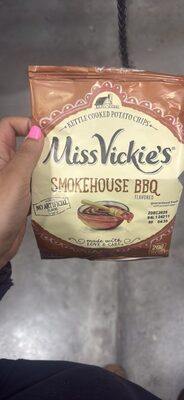 Frito Lay
Miss Vickies Smokehouse BBQ Potato Chips 1.375 Ounce Plastic Bag
540kcal
5.1Protein
30.9Fat
59.1Carbs
Frito-Lay
Munchos Hot 7z
571kcal
3.6Protein
35.7Fat
57.1Carbs
Frito Lay
1.87Oz Lay's Kettle Barbecue
527kcal
5.7Protein
30.1Fat
58.4Carbs
Frito Lay
Cheetos Simply White Cheddar Puffs 1 Ounce
530kcal
7.1Protein
32.2Fat
53Carbs
TUSCAN GARDEN
Quartered Artichoke Hearts
35kcal
2.3Protein
0Fat
6.9Carbs
Frito Lay
Miss Vickies Smokehouse BBQ Potato Chips 1.375 Ounce Plastic Bag
540kcal
5.1Protein
30.9Fat
59.1Carbs
Frito-Lay
Munchos Hot 7z
571kcal
3.6Protein
35.7Fat
57.1Carbs
Frito Lay
1.87Oz Lay's Kettle Barbecue
527kcal
5.7Protein
30.1Fat
58.4Carbs
Frito Lay
Cheetos Simply White Cheddar Puffs 1 Ounce
530kcal
7.1Protein
32.2Fat
53Carbs
TUSCAN GARDEN
Quartered Artichoke Hearts
35kcal
2.3Protein
0Fat
6.9Carbs