Auto-generated content.
This description was generated automatically and is pending editorial review.
Inaccuracies are possible. Found a mistake? Contact us.
Source
Not animal-derived
Allergen
No
Role in food
Manufacturers add cyanocobalamin to foods and supplements as a source of vitamin B12. It …
What it is
Cyanocobalamin is a synthetic form of vitamin B12, an essential nutrient. While vitamin B12 is naturally found in animal products, cyanocobalamin is produced through a fermentation process involving microorganisms, followed by chemical synthesis. It is one of the most common forms of vitamin B12 used in fortified foods and supplements.
Why it's used
Manufacturers add cyanocobalamin to foods and supplements as a source of vitamin B12. It helps fortify products, ensuring consumers receive this essential nutrient, especially those on plant-based diets. It is commonly found in energy drinks, meal replacement supplements, fortified cereals, and plant-based milks.
Health notes
Cyanocobalamin is approved by the FDA as a nutrient and is generally recognized as safe (GRAS) for use in food. Vitamin B12 is vital for healthy nerve function, red blood cell formation, and DNA synthesis. Both the Joint FAO/WHO Expert Committee on Food Additives (JECFA) and the European Food Safety Authority (EFSA) have evaluated vitamin B12. Deficiency can lead to serious health issues, including anemia and neurological damage.
Allergen info
Cyanocobalamin is not a major allergen and is not derived from any of the nine FDA major food allergens. It is also gluten-free.
Note:
This site presents label data from USDA FoodData Central for general information. It is not medical advice.
Check the package label; formulations change.
 Abbott Laboratories Inc
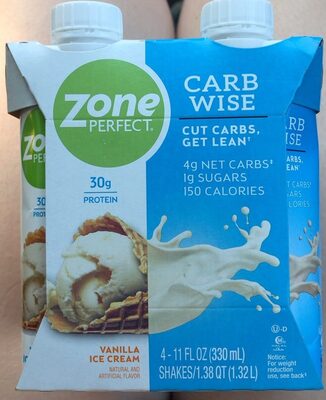
Vanilla Ice Cream Shakes, Vanilla Ice Cream
45kcal
9.1Protein
0.3Fat
1.5Carbs
Abbott Laboratories Inc
Vanilla Ice Cream Shakes, Vanilla Ice Cream
45kcal
9.1Protein
0.3Fat
1.5Carbs