And Gum Arabic
Auto-generated content. This description was generated automatically and is pending editorial review. Inaccuracies are possible. Found a mistake? Contact us.
What it is
Gum arabic, also known as acacia gum, is a natural gum made from the hardened sap of acacia trees. It is harvested from the sap that oozes from the bark of these trees, then processed into a powder.
Why it's used
Manufacturers use gum arabic as a stabilizer, emulsifier, and thickener in a variety of foods. It helps to prevent ingredients from separating and gives products a smoother texture. You can find it in candies, baked goods, and beverages.
Health notes
Gum arabic is generally recognized as safe (GRAS) by the U.S. Food and Drug Administration (FDA). It is a source of soluble dietary fiber, and some studies suggest it may have prebiotic effects, supporting beneficial gut bacteria. The Joint FAO/WHO Expert Committee on Food Additives (JECFA) and the European Food Safety Authority (EFSA) have evaluated gum arabic, and both have affirmed its safety for consumption.
Allergen info
Gum arabic is not derived from any of the nine FDA major allergens. It does not contain gluten.
Products containing And Gum Arabic
Compare products →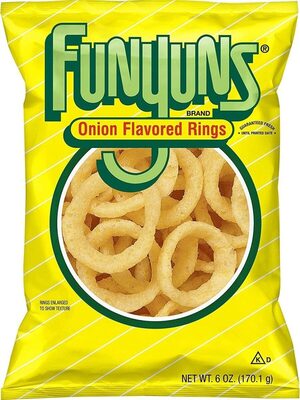 Pepsico Inc.
Funyuns Onion Flavored Rings Snacks 6 Ounces Bag
500kcal
7.1Protein
21.4Fat
67.9Carbs
Frito-Lay Company
Onion Rings, Chile Limon
464kcal
7.1Protein
21.4Fat
57.1Carbs
Frito-Lay Company
Onion Flavored Rings, Onion
500kcal
7.1Protein
21.4Fat
67.9Carbs
Pepsico Inc.
Funyuns Onion Flavored Rings Snacks 6 Ounces Bag
500kcal
7.1Protein
21.4Fat
67.9Carbs
Frito-Lay Company
Onion Rings, Chile Limon
464kcal
7.1Protein
21.4Fat
57.1Carbs
Frito-Lay Company
Onion Flavored Rings, Onion
500kcal
7.1Protein
21.4Fat
67.9Carbs
 Frito-Lay Company
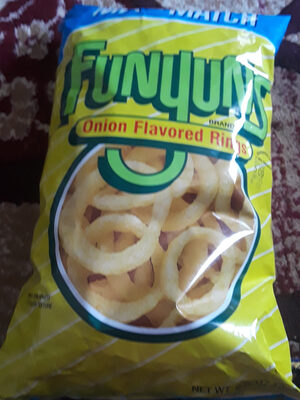
Onion Flavored Rings, Onion
472kcal
4.7Protein
21.2Fat
56.6Carbs
Frito-Lay Company
Onion Flavored Rings, Onion
472kcal
4.7Protein
21.2Fat
56.6Carbs
 Frito-Lay Company
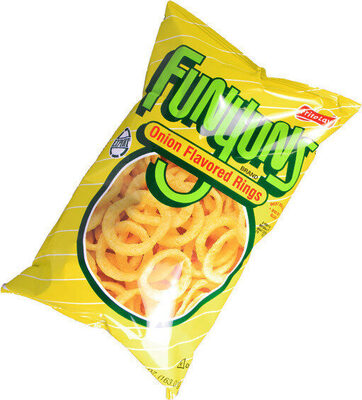
Funyuns, Onion Flavored Rings
464kcal
7.1Protein
21.4Fat
57.1Carbs
Frito-Lay Company
Funyuns, Chile Limon, Onion Flavored Rings, Onion Flavored Rings
480kcal
5.7Protein
22.6Fat
56.5Carbs
Abbott Laboratories Inc
Vanilla Frosting Nutrition Powder Packets, Vanilla Frosting
High in saturated fat — 60% DV per serving
656kcal
31.2Protein
56.2Fat
9.4Carbs
Abbott Laboratories Inc
White Chocolate Cream Nutrition Powder, White Chocolate Cream
High in saturated fat — 60% DV per serving
656kcal
31.2Protein
56.2Fat
9.4Carbs
Frito-Lay Company
Funyuns, Onion Flavored Rings
464kcal
7.1Protein
21.4Fat
57.1Carbs
Frito-Lay Company
Funyuns, Chile Limon, Onion Flavored Rings, Onion Flavored Rings
480kcal
5.7Protein
22.6Fat
56.5Carbs
Abbott Laboratories Inc
Vanilla Frosting Nutrition Powder Packets, Vanilla Frosting
High in saturated fat — 60% DV per serving
656kcal
31.2Protein
56.2Fat
9.4Carbs
Abbott Laboratories Inc
White Chocolate Cream Nutrition Powder, White Chocolate Cream
High in saturated fat — 60% DV per serving
656kcal
31.2Protein
56.2Fat
9.4Carbs
 Frito-Lay Company
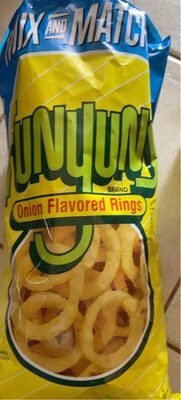
Onion Flavored Rings, Onion
500kcal
7.1Protein
21.4Fat
67.9Carbs
Frito-Lay Company
Onion Flavored Rings, Onion
500kcal
7.1Protein
21.4Fat
67.9Carbs