Anti-dusting Agent
What is Anti-dusting Agent?
Anti-dusting agents are typically food-grade starches or other carbohydrates. They are often derived from corn, wheat, or potatoes. These agents are processed to have specific particle sizes and flow properties.
Is Anti-dusting Agent vegan?
Anti-dusting Agent is not animal-derived. Products that contain it can still include other animal-derived ingredients, so check the full ingredient list.
Is Anti-dusting Agent gluten-free?
If derived from wheat, it may contain gluten.
What is Anti-dusting Agent used for?
Manufacturers add anti-dusting agents to powdered food ingredients, such as spices, flour mixes, or powdered sugar.
Is Anti-dusting Agent safe?
Anti-dusting agents are generally recognized as safe (GRAS) by the FDA when used as intended.
Why it's used
Manufacturers add anti-dusting agents to powdered food ingredients, such as spices, flour mixes, or powdered sugar. They help prevent the fine particles from becoming airborne during handling and processing, ensuring a cleaner work environment and more accurate ingredient measurement. They can also help improve the flowability of powders.
Health notes
Anti-dusting agents are generally recognized as safe (GRAS) by the FDA when used as intended. They are typically inert carbohydrates and are not expected to have significant health effects at the low levels used in food. International bodies like JECFA and EFSA have evaluated many food-grade starches, generally finding them safe for consumption.
Allergen info
If derived from wheat, it may contain gluten. If derived from corn or potato, it is not a major allergen. Manufacturers should be consulted for specific product sourcing.
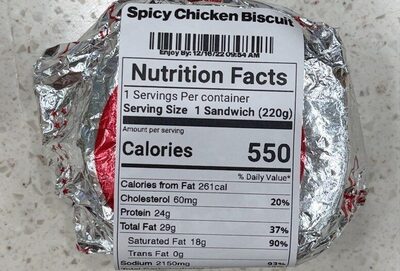
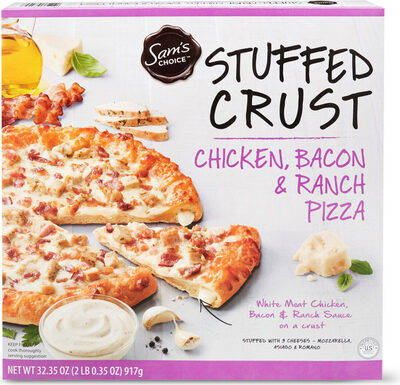
Foods that contain Anti-dusting Agent
Compare products →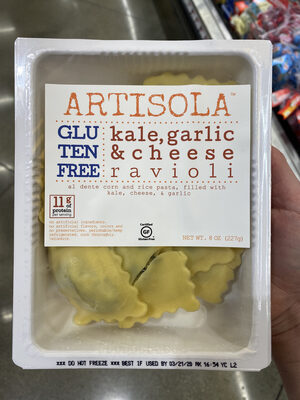
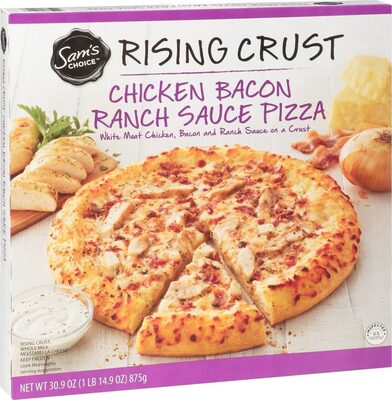
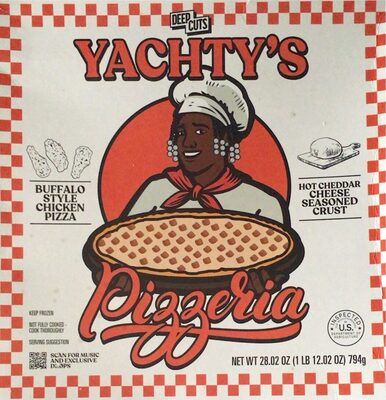
Auto-generated content. This description was generated automatically and is pending editorial review. Inaccuracies are possible. Found a mistake? Contact us.