Anti-foam Agent
Auto-generated content. This description was generated automatically and is pending editorial review. Inaccuracies are possible. Found a mistake? Contact us.
What it is
Anti-foam agents, also called antifoaming agents or defoamers, are substances that prevent or reduce foaming. They are typically made from silicones, oils, or fats, and are added to foods to control foam that can form during processing, such as during cooking or mixing.
Why it's used
Manufacturers add anti-foam agents to prevent excessive foam from interfering with food production or packaging. They are commonly found in baked goods like breads and buns, as well as in frozen appetizers and doughs, where foaming can occur during mixing or baking.
Health notes
In the U.S., anti-foam agents are generally recognized as safe (GRAS) by the FDA when used as intended. International bodies like JECFA have also evaluated these substances. At the levels typically used in food, they are not expected to cause harm. There are no widespread controversies regarding their use in food.
Allergen info
Anti-foam agents are not derived from major allergens and do not contain gluten. Not a major allergen.
Products containing Anti-foam Agent
Compare products →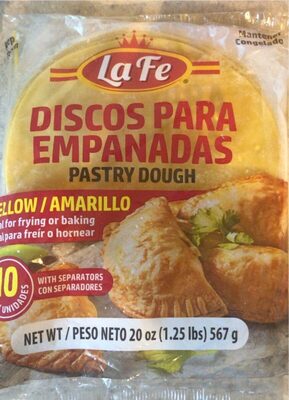 Gracekennedy Foods (USA) LLC
Yellow Pastry Dough
316kcal
10.5Protein
7.9Fat
52.6Carbs
Target Stores
Broccoli & Cheese Bites, Broccoli & Cheese
High in sodium — 28% DV per serving
225kcal
7.5Protein
8.8Fat
26.2Carbs
Target Stores
Dill Pickle Chips, Dill
High in sodium — 29% DV per serving
150kcal
3.5Protein
2.6Fat
25.7Carbs
Gracekennedy Foods (USA) LLC
Yellow Pastry Dough
316kcal
10.5Protein
7.9Fat
52.6Carbs
Target Stores
Broccoli & Cheese Bites, Broccoli & Cheese
High in sodium — 28% DV per serving
225kcal
7.5Protein
8.8Fat
26.2Carbs
Target Stores
Dill Pickle Chips, Dill
High in sodium — 29% DV per serving
150kcal
3.5Protein
2.6Fat
25.7Carbs