Anti Foam
What is Anti Foam?
Anti-foam agents are substances that prevent or reduce foaming during food processing. They are often made from silicones, such as dimethylpolysiloxane, or from fats and oils.
Is Anti Foam a major allergen?
Not a major allergen.
What is Anti Foam used for?
Manufacturers add anti-foaming agents to control foam that can build up during cooking, boiling, or mixing.
Is Anti Foam safe?
In the U.S., anti-foaming agents like dimethylpolysiloxane are generally recognized as safe (GRAS) by the FDA for use in food.
Why it's used
Manufacturers add anti-foaming agents to control foam that can build up during cooking, boiling, or mixing. This helps prevent overflow and ensures consistent product texture. They are commonly found in processed foods like jams, jellies, and alcoholic beverages.
Health notes
In the U.S., anti-foaming agents like dimethylpolysiloxane are generally recognized as safe (GRAS) by the FDA for use in food. International bodies like JECFA have also evaluated these substances. Evidence suggests they are not absorbed by the body and are safely passed through.
Allergen info
Not a major allergen.
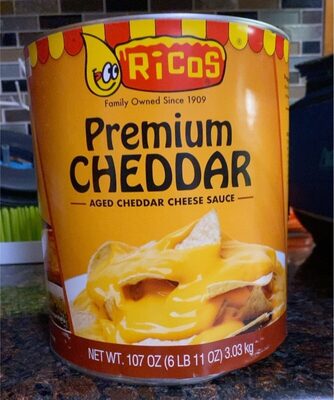
Foods that contain Anti Foam
Compare products →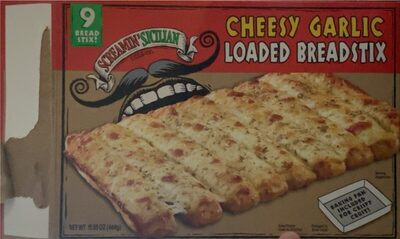
Auto-generated content. This description was generated automatically and is pending editorial review. Inaccuracies are possible. Found a mistake? Contact us.