As Emulsifiers
This entry is a label phrase. See the main ingredient page: Emulsifiers.
What is As Emulsifiers?
Emulsifiers are substances that help mix ingredients that normally don't mix, like oil and water. They are often made from fats and oils, which can come from plants (like soy or sunflower) or animals. Emulsifiers can also be synthesized.
Is As Emulsifiers a major allergen?
Some emulsifiers are derived from soy or wheat, which are major allergens.
What is As Emulsifiers used for?
Manufacturers add emulsifiers to improve texture, stability, and shelf life in foods.
Is As Emulsifiers safe?
In the U.S., emulsifiers are generally recognized as safe (GRAS) or approved food additives.
Why it's used
Manufacturers add emulsifiers to improve texture, stability, and shelf life in foods. They prevent ingredients from separating, creating a smoother consistency. Emulsifiers are commonly found in baked goods, dressings, ice cream, and processed meats.
Health notes
In the U.S., emulsifiers are generally recognized as safe (GRAS) or approved food additives. Regulatory bodies like the Joint FAO/WHO Expert Committee on Food Additives (JECFA) and the European Food Safety Authority (EFSA) have evaluated many emulsifiers. Research on the long-term effects of emulsifiers on gut health is ongoing, with some studies suggesting potential impacts on the gut microbiome, while other evidence suggests no adverse effects at typical consumption levels.
Allergen info
Some emulsifiers are derived from soy or wheat, which are major allergens. Consumers should check product labels for specific allergen information if they have sensitivities.
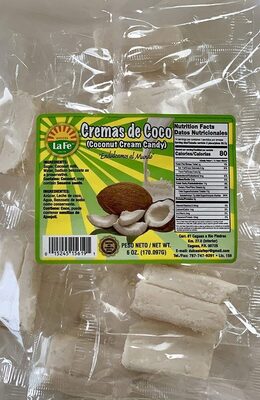
Foods that contain As Emulsifiers
Compare products →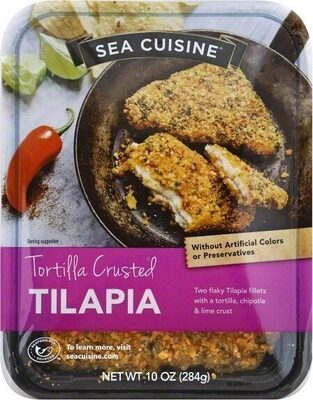
Learn more
Auto-generated content. This description was generated automatically and is pending editorial review. Inaccuracies are possible. Found a mistake? Contact us.