Emulsifiers
Auto-generated content. This description was generated automatically and is pending editorial review. Inaccuracies are possible. Found a mistake? Contact us.
What it is
Emulsifiers are food additives that help mix ingredients that normally don't blend, like oil and water. They work by reducing the surface tension between these liquids, creating a stable mixture. This prevents ingredients from separating over time.
Why it's used
Manufacturers add emulsifiers to improve the texture, consistency, and shelf life of many foods. They are used to create smooth sauces, creamy dressings, and stable baked goods. Common foods include mayonnaise, ice cream, chocolate, and various baked goods like cookies and cakes.
Health notes
Many individual emulsifiers are approved by the FDA as food additives or are generally recognized as safe (GRAS). Regulatory bodies like JECFA and EFSA have evaluated numerous emulsifiers, often setting acceptable daily intakes for specific compounds. While generally considered safe at typical intake levels, some research suggests that high consumption of certain emulsifiers might affect gut microbiota in animal studies, though human evidence is mixed and more research is needed.
Allergen info
Some emulsifiers are derived from major allergens like soy (e.g., soy lecithin) or egg (e.g., egg lecithin). Others are not derived from major allergens. Food labels will specify if an emulsifier contains a major allergen.
Products containing Emulsifiers
Compare products →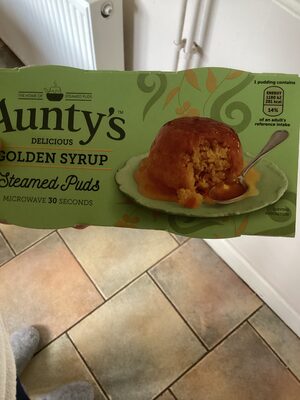 AUNTY'S
Steamed Puddings
294kcal
3.3Protein
4.1Fat
57.3Carbs
AUNTY'S
Steamed Puddings
294kcal
3.3Protein
4.1Fat
57.3Carbs
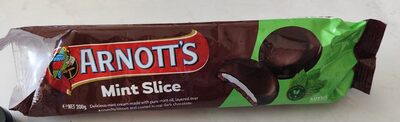 Arnott's Biscuits Limited
Arnott's, Mint Slice, Delicious Biscuits
High in saturated fat — 20% DV per serving
516kcal
6.5Protein
29.0Fat
61.3Carbs
MEIJI
Meiji, Biscuit Sticks Covered With Chocolate Lucky Stick
High in saturated fat — 25% DV per serving
467kcal
6.7Protein
22.2Fat
62.2Carbs
MARIETTA
Marietta, Chocolate Chip Cookies
433kcal
3.3Protein
16.7Fat
66.7Carbs
E. WEDEL
E. Wedel, Caramel White Chocolate With Salted Peanuts
High in saturated fat — 25% DV per serving
560kcal
6.7Protein
33.3Fat
53.3Carbs
CHIKO
Chiko, Assorted Eclairs & Toffees
444kcal
2.8Protein
13.9Fat
75Carbs
Hy-Vee, Inc.
Creamy Vanilla Frosting
433kcal
0Protein
16.7Fat
66.7Carbs
Arnott's Biscuits Limited
Arnott's, Mint Slice, Delicious Biscuits
High in saturated fat — 20% DV per serving
516kcal
6.5Protein
29.0Fat
61.3Carbs
MEIJI
Meiji, Biscuit Sticks Covered With Chocolate Lucky Stick
High in saturated fat — 25% DV per serving
467kcal
6.7Protein
22.2Fat
62.2Carbs
MARIETTA
Marietta, Chocolate Chip Cookies
433kcal
3.3Protein
16.7Fat
66.7Carbs
E. WEDEL
E. Wedel, Caramel White Chocolate With Salted Peanuts
High in saturated fat — 25% DV per serving
560kcal
6.7Protein
33.3Fat
53.3Carbs
CHIKO
Chiko, Assorted Eclairs & Toffees
444kcal
2.8Protein
13.9Fat
75Carbs
Hy-Vee, Inc.
Creamy Vanilla Frosting
433kcal
0Protein
16.7Fat
66.7Carbs
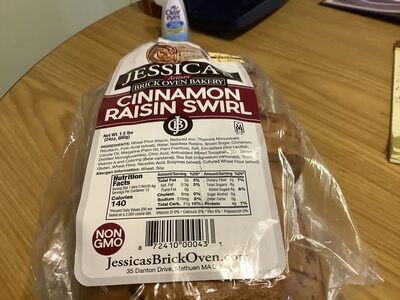 JESSICA'S BRICK OVEN
Jessica's Brick Oven, Cinnamon Raisin Brioche
328kcal
5.5Protein
8.2Fat
54.6Carbs
JESSICA'S BRICK OVEN
Jessica's Brick Oven, Cinnamon Raisin Brioche
328kcal
5.5Protein
8.2Fat
54.6Carbs
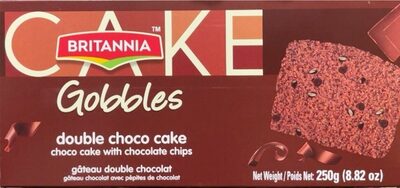 BRITANNIA
Britannia, Double Chocolate Cake
High in saturated fat — 25% DV per serving
364kcal
5.5Protein
16.4Fat
47.3Carbs
CREAPAN
Belgian Crepes Chocolate Filling
288kcal
4.6Protein
15.4Fat
33.9Carbs
CREAPAN
Crepes With Fruit Filling
215kcal
3.1Protein
7.2Fat
31.5Carbs
BRITANNIA
Britannia, Double Chocolate Cake
High in saturated fat — 25% DV per serving
364kcal
5.5Protein
16.4Fat
47.3Carbs
CREAPAN
Belgian Crepes Chocolate Filling
288kcal
4.6Protein
15.4Fat
33.9Carbs
CREAPAN
Crepes With Fruit Filling
215kcal
3.1Protein
7.2Fat
31.5Carbs