Asiago Cheese: Cultured Pasteurized Milk
What is Asiago Cheese: Cultured Pasteurized Milk?
Asiago cheese is a firm, Italian cow's milk cheese with a sharp, nutty flavor. It is made from pasteurized milk that is cultured and then aged, typically for several months. The aging process gives it its characteristic texture and taste.
Is Asiago Cheese: Cultured Pasteurized Milk vegan?
No. Asiago Cheese: Cultured Pasteurized Milk is animal-derived, so it is not vegan.
Is Asiago Cheese: Cultured Pasteurized Milk gluten-free?
It does not contain gluten.
Is Asiago Cheese: Cultured Pasteurized Milk a major allergen?
Asiago cheese is derived from milk, which is one of the 9 major allergens recognized by the FDA.
What is Asiago Cheese: Cultured Pasteurized Milk used for?
Asiago is often used as a table cheese or for grating over pasta, salads, and soups.
Is Asiago Cheese: Cultured Pasteurized Milk safe?
Asiago cheese is a natural food product and is generally recognized as safe by the FDA.
Why it's used
Asiago is often used as a table cheese or for grating over pasta, salads, and soups. Manufacturers add it to foods like pizza, dips, and prepared meals to provide a savory, cheesy flavor and a rich texture. Its distinct taste makes it a popular ingredient in many Italian-American dishes.
Health notes
Asiago cheese is a natural food product and is generally recognized as safe by the FDA. It is a source of protein and calcium. Like other dairy products, it contains saturated fat and sodium. JECFA and EFSA have not specifically evaluated Asiago cheese as a food additive, as it is a whole food ingredient.
Allergen info
Asiago cheese is derived from milk, which is one of the 9 major allergens recognized by the FDA. It does not contain gluten.
Foods that contain Asiago Cheese: Cultured Pasteurized Milk
Compare products →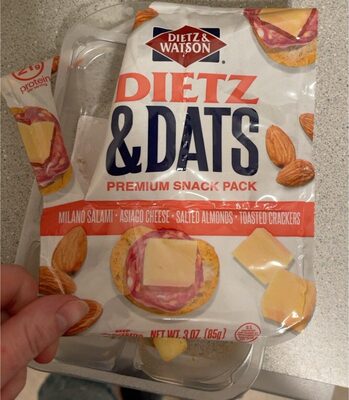 Dietz & Watson Inc.
Dietz & Watson Dietz & Dats Premium Snack Pack, 3 Oz
High in sodium — 35% DV per serving
High in saturated fat — 35% DV per serving
High in cholesterol — 22% DV per serving
459kcal
24.7Protein
34.1Fat
12.9Carbs
Hansen's Dairy, Inc.
Pizza, Cheese
High in sodium — 37% DV per serving
High in saturated fat — 50% DV per serving
245kcal
15.7Protein
10.7Fat
22.6Carbs
Publix Super Markets, Inc.
Deli Artichoke & Jalapeno, Artichoke & Jalapeno
214kcal
3.6Protein
21.4Fat
7.1Carbs
Dietz & Watson Inc.
Dietz & Watson Dietz & Dats Premium Snack Pack, 3 Oz
High in sodium — 35% DV per serving
High in saturated fat — 35% DV per serving
High in cholesterol — 22% DV per serving
459kcal
24.7Protein
34.1Fat
12.9Carbs
Hansen's Dairy, Inc.
Pizza, Cheese
High in sodium — 37% DV per serving
High in saturated fat — 50% DV per serving
245kcal
15.7Protein
10.7Fat
22.6Carbs
Publix Super Markets, Inc.
Deli Artichoke & Jalapeno, Artichoke & Jalapeno
214kcal
3.6Protein
21.4Fat
7.1Carbs
Learn more
Auto-generated content. This description was generated automatically and is pending editorial review. Inaccuracies are possible. Found a mistake? Contact us.