Bacteria Culture
Auto-generated content. This description was generated automatically and is pending editorial review. Inaccuracies are possible. Found a mistake? Contact us.
What it is
Bacteria culture refers to live microorganisms, often beneficial bacteria, that are intentionally added to foods. They are typically grown in a controlled environment and then introduced into the food product.
Why it's used
Bacteria cultures are often used as starter cultures in fermented foods like yogurt and cheese, contributing to flavor and texture. They can also be added to foods as probiotics to potentially benefit gut health. They are found in dairy products, baked goods, and some sauces.
Health notes
In the US, many bacteria cultures used in food are considered Generally Recognized As Safe (GRAS) by the FDA. Some are added for their probiotic properties, which are being researched for various health benefits, though evidence can be mixed. International bodies like JECFA have evaluated some specific bacterial strains used in food.
Allergen info
Bacteria cultures themselves are not derived from the 9 major allergens. However, if they are grown on or in a medium containing allergens, or if the final food product contains other ingredients from major allergens, cross-contamination is possible.
Products containing Bacteria Culture
Compare products →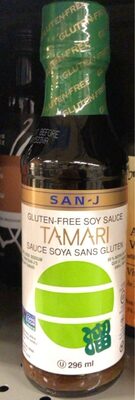 San-J International, Inc.
Tamari Gluten-Free Soy Sauce, Tamari
High in sodium — 21% DV per serving
67kcal
6.7Protein
0Fat
6.7Carbs
Target Stores
Creamy Three Cheese Pasta Salad Made With Cavatappi Pasta, Cheddar, Mozzarella & Parmesan Cheeses, Creamy Three Cheese Pasta
High in saturated fat — 20% DV per serving
250kcal
4Protein
21Fat
13Carbs
Dr. Harold Katz LLC
Cheese Stuffed Hot Peppers
452kcal
3.2Protein
45.2Fat
6.5Carbs
San-J International, Inc.
Tamari Gluten-Free Soy Sauce, Tamari
High in sodium — 21% DV per serving
67kcal
6.7Protein
0Fat
6.7Carbs
Target Stores
Creamy Three Cheese Pasta Salad Made With Cavatappi Pasta, Cheddar, Mozzarella & Parmesan Cheeses, Creamy Three Cheese Pasta
High in saturated fat — 20% DV per serving
250kcal
4Protein
21Fat
13Carbs
Dr. Harold Katz LLC
Cheese Stuffed Hot Peppers
452kcal
3.2Protein
45.2Fat
6.5Carbs