Lysozyme
What is Lysozyme?
Lysozyme is an enzyme that helps break down the cell walls of certain bacteria. It is typically derived from egg whites, though it can also be sourced from other animal products like milk. It is often purified from these sources for use in food.
Is Lysozyme vegan?
No. Lysozyme is animal-derived, so it is not vegan.
Is Lysozyme gluten-free?
It does not contain gluten.
Is Lysozyme a major allergen?
Lysozyme is derived from eggs, which is one of the nine major allergens recognized by the FDA.
What is Lysozyme used for?
Manufacturers add lysozyme as a preservative to help prevent spoilage by bacteria.
Is Lysozyme safe?
In the U.S., lysozyme is generally recognized as safe (GRAS) by the FDA for use in food.
Why it's used
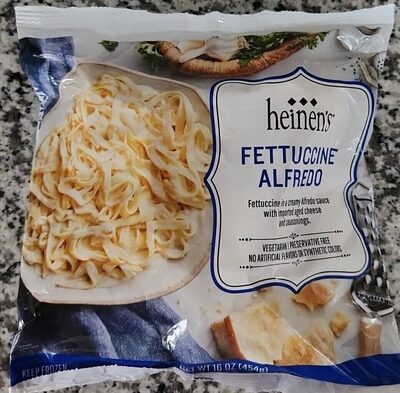
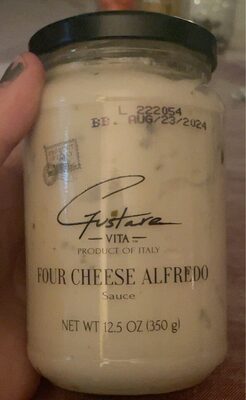
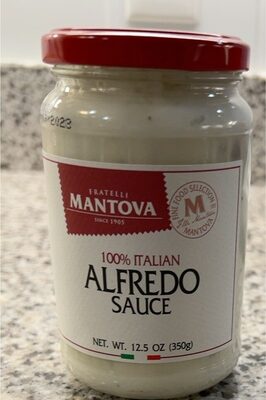
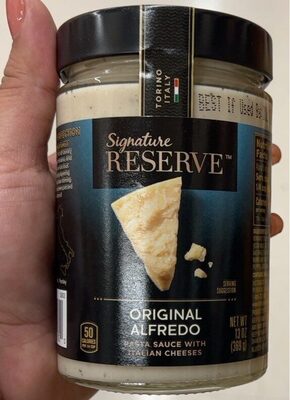
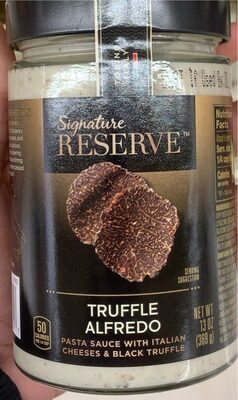
Manufacturers add lysozyme as a preservative to help prevent spoilage by bacteria. It is commonly found in cheese, where it can inhibit the growth of certain spoilage organisms, and in some prepared foods like pasta sauces and appetizers.
Health notes
In the U.S., lysozyme is generally recognized as safe (GRAS) by the FDA for use in food. Regulatory bodies like the European Food Safety Authority (EFSA) have also evaluated lysozyme, and international bodies like JECFA have established acceptable daily intake levels. At typical consumption levels found in food, it is not associated with adverse health effects.
Allergen info
Lysozyme is derived from eggs, which is one of the nine major allergens recognized by the FDA. It does not contain gluten.
Foods that contain Lysozyme
Compare products →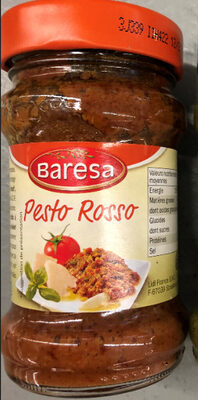

Learn more
Auto-generated content. This description was generated automatically and is pending editorial review. Inaccuracies are possible. Found a mistake? Contact us.