Beef Tallow
What is Beef Tallow?
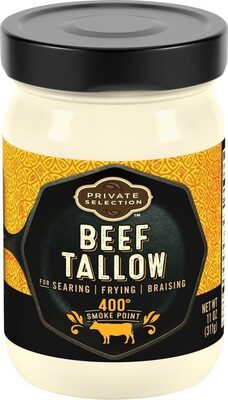
Beef tallow is a rendered fat obtained from cattle. It is produced by heating the fatty tissues of beef until the fat melts and separates from other components, which purifies it for use in food.
Is Beef Tallow vegan?
No. Beef Tallow is animal-derived, so it is not vegan.
Is Beef Tallow gluten-free?
Beef tallow is not considered one of the nine major food allergens identified by the FDA, nor does it contain gluten.
What is Beef Tallow used for?
Manufacturers add beef tallow to foods primarily for its rich flavor, texture, and cooking properties.
Is Beef Tallow safe?
Beef tallow is a traditional food ingredient and is not regulated as a food additive by the FDA.
Why it's used
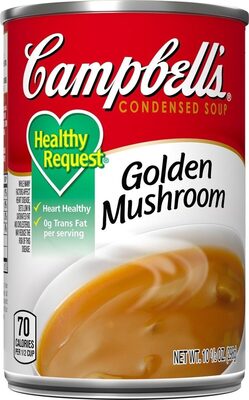
Manufacturers add beef tallow to foods primarily for its rich flavor, texture, and cooking properties. It is often used in gravies, soups, and baked goods to add richness and a savory note, and as a stable fat source for frying.
Health notes
Beef tallow is a traditional food ingredient and is not regulated as a food additive by the FDA. It is primarily composed of saturated and monounsaturated fats. The 2025-2030 Dietary Guidelines for Americans recommend limiting saturated fat intake to less than 10% of daily calories. As a traditional food component, beef tallow itself is not typically subject to specific ADI evaluations by bodies like JECFA or EFSA, which focus more on food additives.
Allergen info
Beef tallow is not considered one of the nine major food allergens identified by the FDA, nor does it contain gluten.
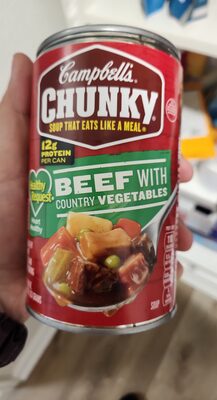
Foods that contain Beef Tallow
Compare products →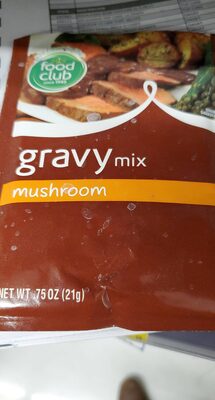
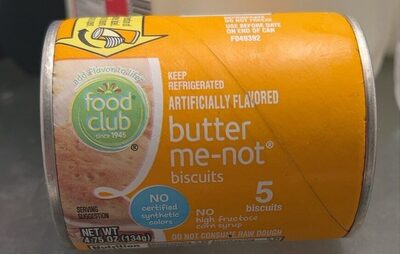
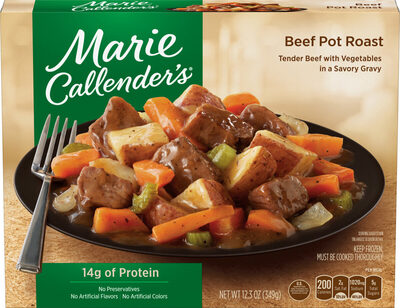
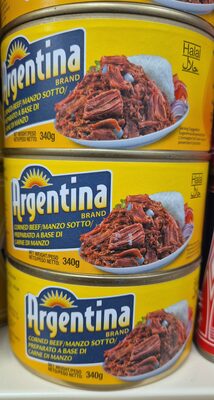



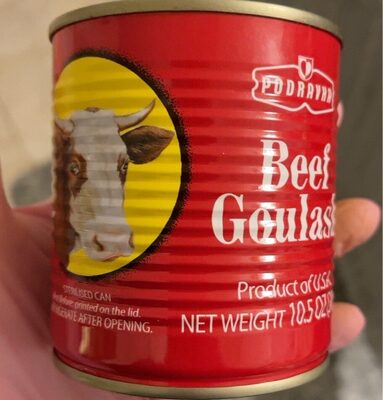
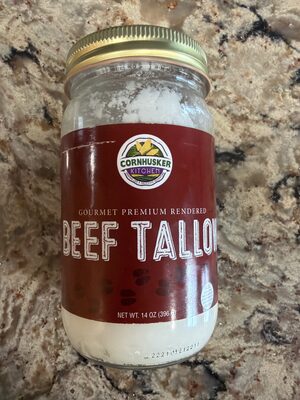
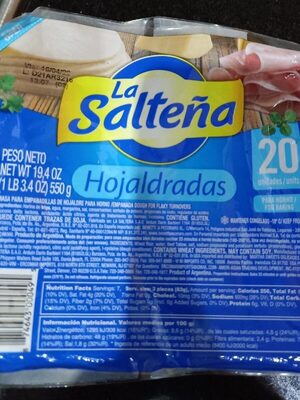
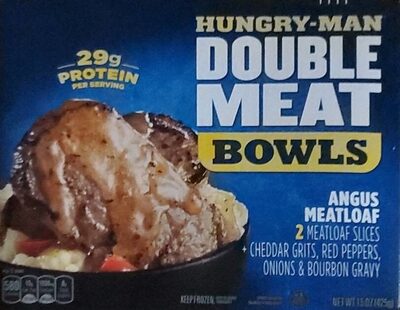
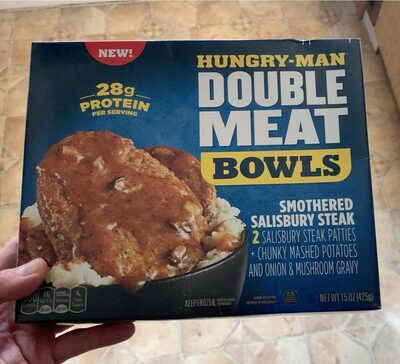
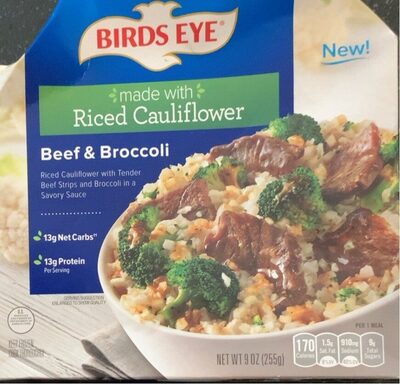
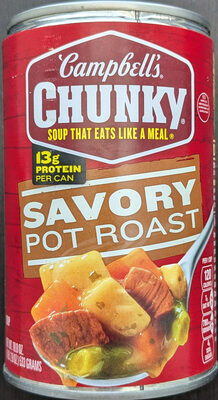
Learn more
Auto-generated content. This description was generated automatically and is pending editorial review. Inaccuracies are possible. Found a mistake? Contact us.