BHA And BHT
What is BHA And BHT?
Butylated Hydroxyanisole (BHA) and Butylated Hydroxytoluene (BHT) are synthetic chemical compounds. They are man-made antioxidants produced through chemical synthesis.
Is BHA And BHT vegan?
BHA And BHT is not animal-derived. Products that contain it can still include other animal-derived ingredients, so check the full ingredient list.
Is BHA And BHT a major allergen?
Not a major allergen.
What is BHA And BHT used for?
These additives are used to prevent fats and oils in food from becoming rancid, which can spoil the flavor and smell.
Is BHA And BHT safe?
BHA and BHT are approved by the FDA for use as food additives.
Why it's used
These additives are used to prevent fats and oils in food from becoming rancid, which can spoil the flavor and smell. They are commonly found in products containing fats, such as cereals, snack foods, baked goods, and some processed meats, to extend their shelf life.
Health notes
BHA and BHT are approved by the FDA for use as food additives. JECFA has evaluated both BHA and BHT and set acceptable daily intakes. The International Agency for Research on Cancer (IARC) has classified BHA as 'possibly carcinogenic to humans' (Group 2B), while BHT is classified as 'not classifiable as to its carcinogenicity to humans' (Group 3). Scientific evidence regarding potential health effects at typical dietary intake levels is mixed, with some studies suggesting concerns at higher doses, particularly for BHA, while others indicate safety.
Allergen info
Not a major allergen.
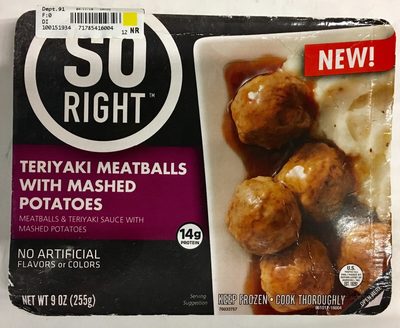
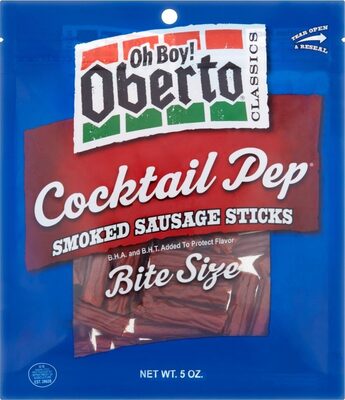
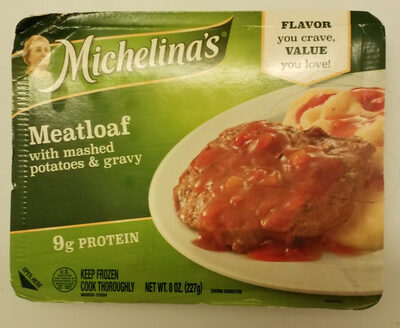
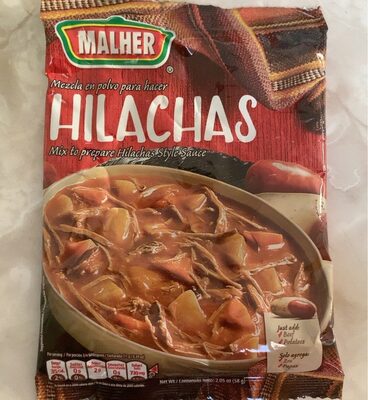
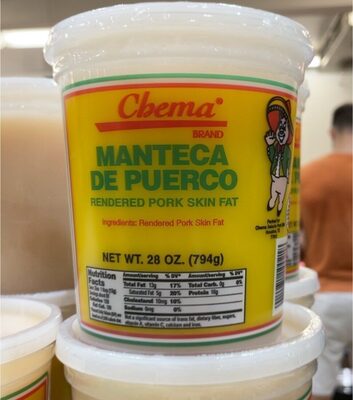
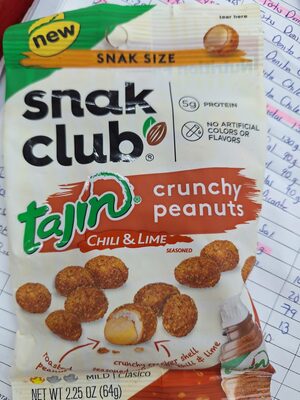
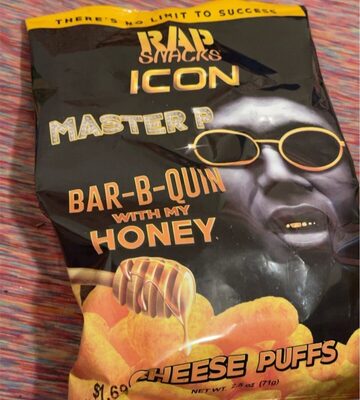
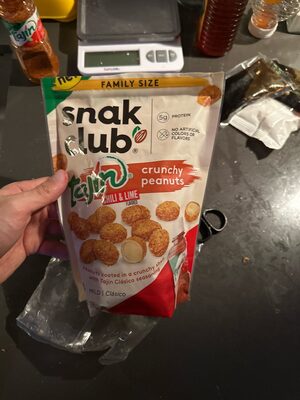
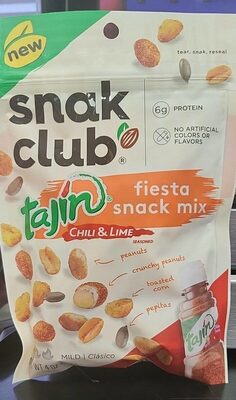
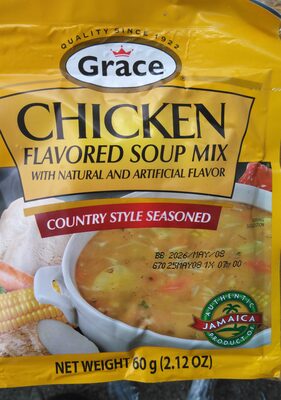
Foods that contain BHA And BHT
Compare products →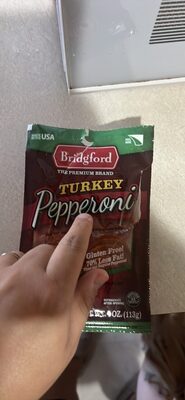









Learn more
Auto-generated content. This description was generated automatically and is pending editorial review. Inaccuracies are possible. Found a mistake? Contact us.