Black Bean
What is Black Bean?
Black beans are a type of common bean (Phaseolus vulgaris). They are native to the Americas and are grown worldwide. After harvesting, they are typically dried for preservation and later rehydrated for cooking and consumption.
Is Black Bean vegan?
Black Bean is not animal-derived. Products that contain it can still include other animal-derived ingredients, so check the full ingredient list.
Is Black Bean gluten-free?
They do not contain gluten.
Is Black Bean a major allergen?
Black beans are not derived from any of the 9 FDA major allergens.
What is Black Bean used for?
Black beans are used as a whole food ingredient, providing texture and a mild, earthy flavor.
Is Black Bean safe?
Black beans are a source of dietary fiber, protein, and various micronutrients.
Why it's used
Black beans are used as a whole food ingredient, providing texture and a mild, earthy flavor. They are commonly found in Mexican and Latin American dishes, as well as in vegetarian and vegan products like veggie burgers, dips, salsas, and soups.
Health notes
Black beans are a source of dietary fiber, protein, and various micronutrients. They are generally recognized as safe (GRAS) by the FDA when used as a food ingredient. Regulatory bodies like JECFA and EFSA have evaluated beans as part of a balanced diet, noting their nutritional benefits. Research suggests that the fiber and complex carbohydrates in beans can contribute to stable blood sugar levels.
Allergen info
Black beans are not derived from any of the 9 FDA major allergens. They do not contain gluten.
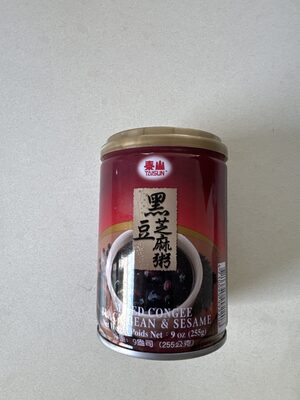
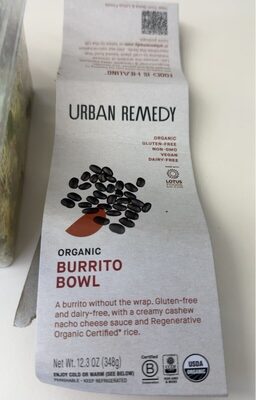
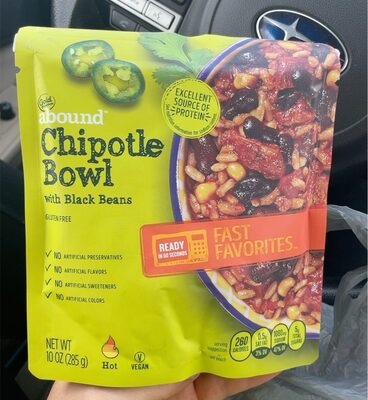
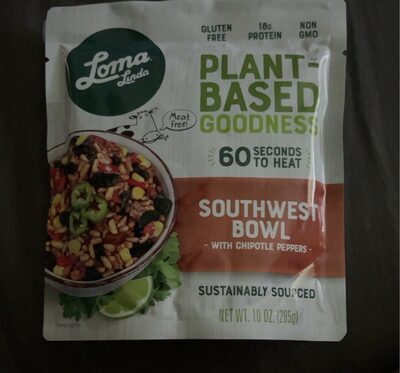
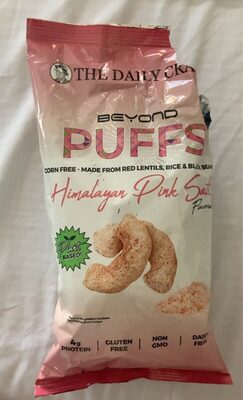
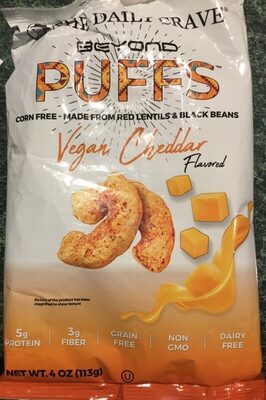
Foods that contain Black Bean
Compare products →

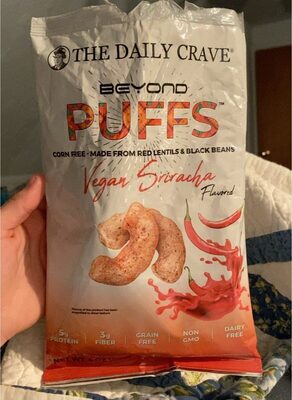
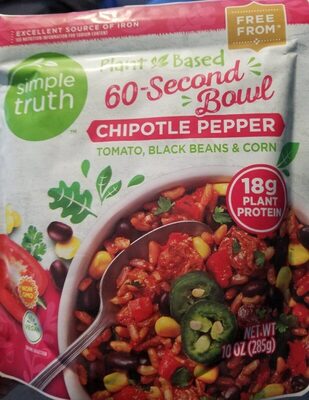
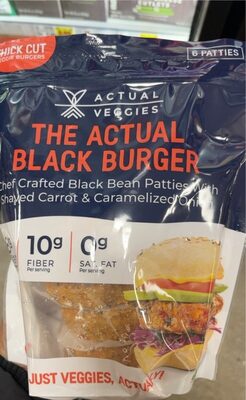
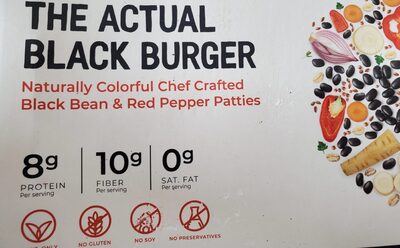

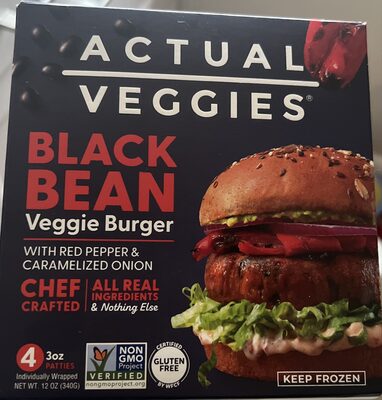
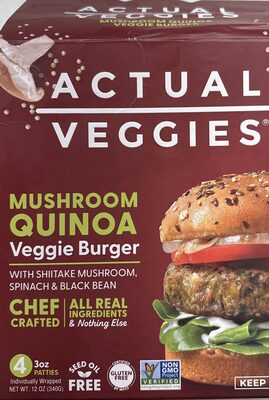
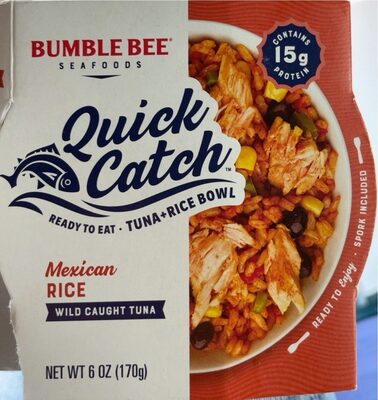
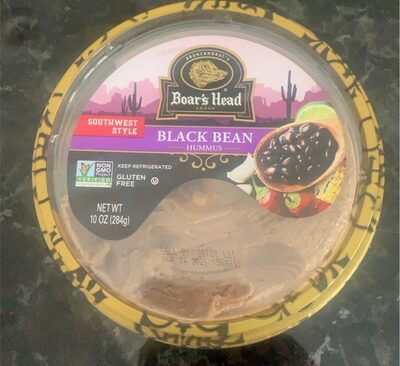
Auto-generated content. This description was generated automatically and is pending editorial review. Inaccuracies are possible. Found a mistake? Contact us.