Blended Olive Oil
Auto-generated content. This description was generated automatically and is pending editorial review. Inaccuracies are possible. Found a mistake? Contact us.
What it is
Blended olive oil is a mixture of different types of olive oils, including refined olive oil and virgin or extra virgin olive oil. It is made from olives and processed to create a balanced flavor and color profile. The blending process allows for consistency in taste and quality across different batches.
Why it's used
Manufacturers use blended olive oil as a cooking oil and a finishing oil in various food products. Its mild flavor makes it versatile for dressings, marinades, sauces, and baked goods. It is often chosen for its balance of flavor, stability, and cost-effectiveness compared to pure extra virgin olive oil.
Health notes
Blended olive oil is generally recognized as safe (GRAS) by the FDA for use in food. Like other olive oils, it is a source of monounsaturated fats, which are considered healthy fats. International bodies like JECFA have evaluated olive oil and its components. Evidence suggests that moderate consumption of olive oil, as part of a balanced diet, may be associated with positive health outcomes.
Allergen info
Not a major allergen. Olive oil is derived from olives, which are fruits.
Products containing Blended Olive Oil
Compare products →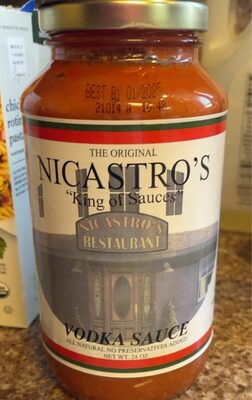 The Original Vodka Sauce
71kcal
1.8Protein
5.3Fat
5.3Carbs
Meijer, Inc.
Street Tacos With Seasoned Beef Includes Seasoned Cooked Beef, Tortillas, Pico De Gallo, Cilantro Pepita Dressing, Cole Slaw, Cheese & Lime, Seasoned Beef
High in sodium — 37% DV per serving
High in saturated fat — 35% DV per serving
207kcal
6.0Protein
10.9Fat
16.9Carbs
Meijer, Inc.
Pork Sliders, Pork
High in sodium — 30% DV per serving
High in saturated fat — 22% DV per serving
High in added sugars — 60% DV per serving
High in cholesterol — 26% DV per serving
255kcal
9.6Protein
11.1Fat
29.8Carbs
Big Y Foods, Inc.
Turkey Dinner With Gravy, Turkey
High in sodium — 30% DV per serving
High in saturated fat — 25% DV per serving
168kcal
8.0Protein
8.8Fat
13.3Carbs
The Original Vodka Sauce
71kcal
1.8Protein
5.3Fat
5.3Carbs
Meijer, Inc.
Street Tacos With Seasoned Beef Includes Seasoned Cooked Beef, Tortillas, Pico De Gallo, Cilantro Pepita Dressing, Cole Slaw, Cheese & Lime, Seasoned Beef
High in sodium — 37% DV per serving
High in saturated fat — 35% DV per serving
207kcal
6.0Protein
10.9Fat
16.9Carbs
Meijer, Inc.
Pork Sliders, Pork
High in sodium — 30% DV per serving
High in saturated fat — 22% DV per serving
High in added sugars — 60% DV per serving
High in cholesterol — 26% DV per serving
255kcal
9.6Protein
11.1Fat
29.8Carbs
Big Y Foods, Inc.
Turkey Dinner With Gravy, Turkey
High in sodium — 30% DV per serving
High in saturated fat — 25% DV per serving
168kcal
8.0Protein
8.8Fat
13.3Carbs