Bok Choy
What is Bok Choy?
Bok choy is a type of Chinese cabbage. It has smooth, dark green leaves and thick, white stalks. It is grown in many parts of the world and is a popular vegetable in Asian cuisine.
Is Bok Choy vegan?
Bok Choy is not animal-derived. Products that contain it can still include other animal-derived ingredients, so check the full ingredient list.
Is Bok Choy gluten-free?
It does not contain gluten.
Is Bok Choy a major allergen?
Bok choy is not one of the nine major allergens recognized by the FDA.
What is Bok Choy used for?
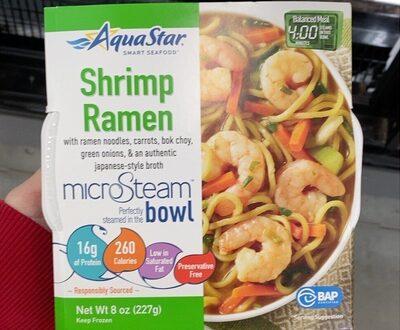
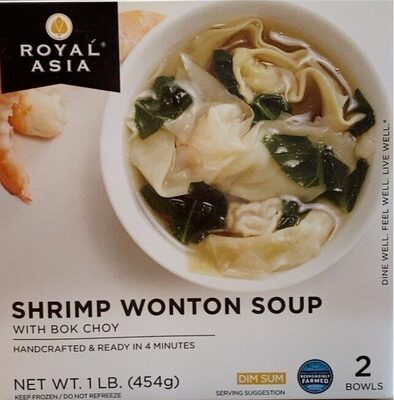
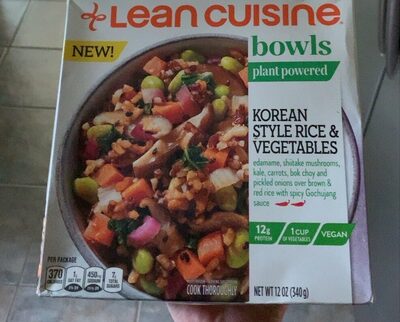
Bok choy is used as a vegetable in a wide variety of dishes, including stir-fries, soups, and noodle dishes.
Is Bok Choy safe?
Bok choy is a nutrient-dense vegetable, providing vitamins A, C, and K, as well as calcium and potassium.
Why it's used
Bok choy is used as a vegetable in a wide variety of dishes, including stir-fries, soups, and noodle dishes. It can be eaten raw or cooked. Its mild flavor and crisp texture make it a versatile ingredient.
Health notes
Bok choy is a nutrient-dense vegetable, providing vitamins A, C, and K, as well as calcium and potassium. It is not an additive and does not have a regulatory status as such. The U.S. Food and Drug Administration (FDA) generally recognizes it as safe for consumption as a food. International bodies like the European Food Safety Authority (EFSA) and the Joint FAO/WHO Expert Committee on Food Additives (JECFA) have not specifically evaluated bok choy as a food additive.
Allergen info
Bok choy is not one of the nine major allergens recognized by the FDA. It does not contain gluten.
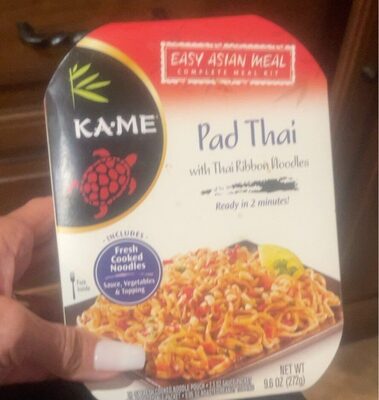
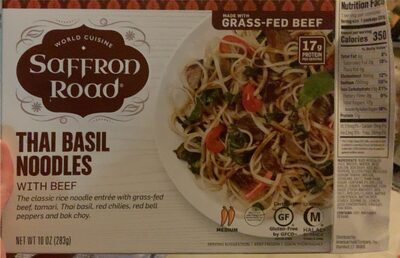
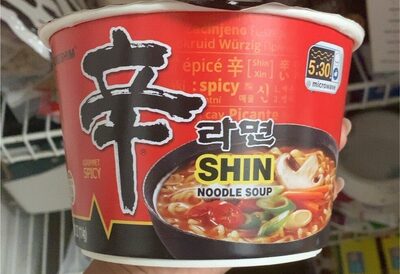
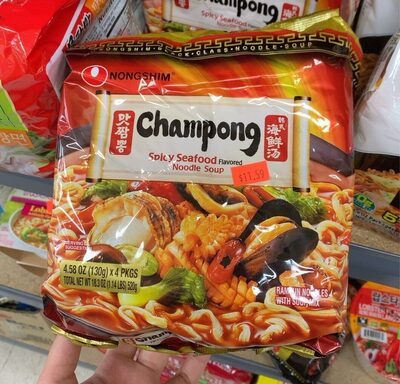
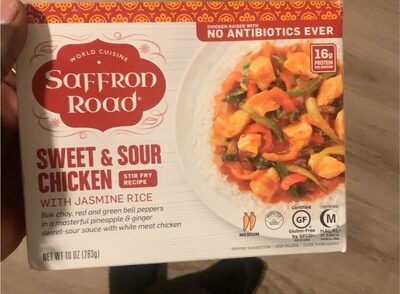
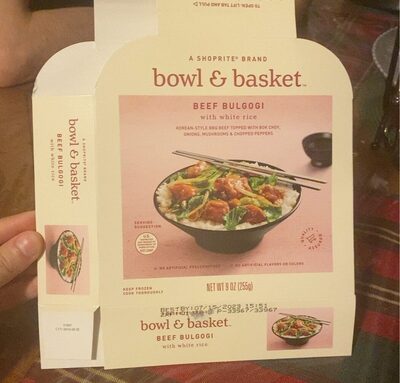
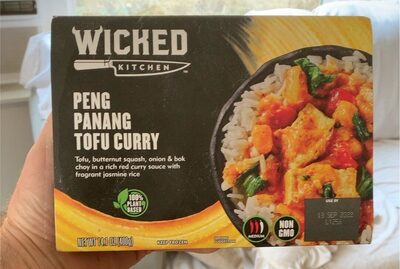
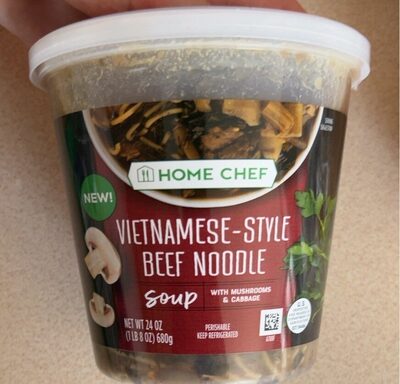
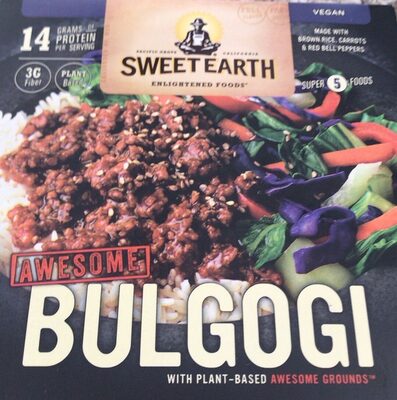
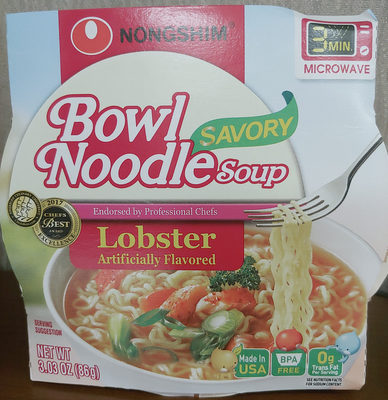
Foods that contain Bok Choy
Compare products →

Auto-generated content. This description was generated automatically and is pending editorial review. Inaccuracies are possible. Found a mistake? Contact us.