Brazil Nuts
What is Brazil Nuts?
Brazil nuts are large, nutrient-dense seeds from the Brazil nut tree (Bertholletia excelsa), native to South America. They grow inside a hard, woody shell and are harvested from wild trees in rainforests. The nuts are typically sold shelled and raw or roasted.
Is Brazil Nuts vegan?
Brazil Nuts is not animal-derived. Products that contain it can still include other animal-derived ingredients, so check the full ingredient list.
Is Brazil Nuts gluten-free?
They do not contain gluten.
Is Brazil Nuts a major allergen?
Brazil nuts are a tree nut, which is one of the 9 FDA major allergens.
What is Brazil Nuts used for?
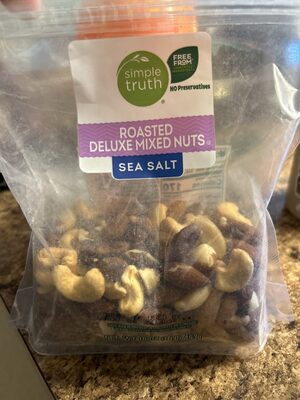
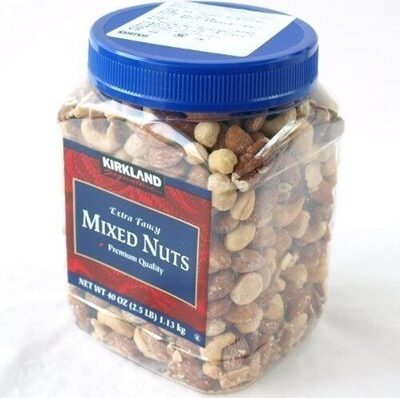
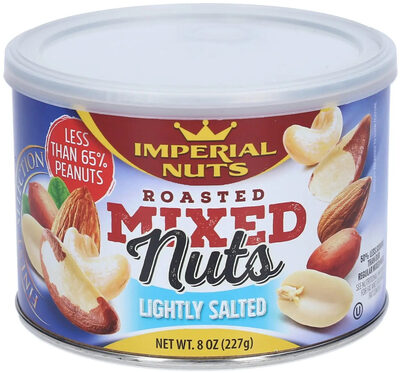
Brazil nuts are often eaten as a snack on their own or included in mixed nuts.
Is Brazil Nuts safe?
Brazil nuts are a natural source of selenium, a mineral important for thyroid function and immune health.
Why it's used
Brazil nuts are often eaten as a snack on their own or included in mixed nuts. They can also be found in baked goods, granola, and energy bars. Their rich, buttery flavor and firm texture make them a versatile ingredient.
Health notes
Brazil nuts are a natural source of selenium, a mineral important for thyroid function and immune health. The FDA considers them safe for consumption. JECFA has evaluated Brazil nuts and noted their nutritional value. Due to their high selenium content, consuming very large quantities of Brazil nuts regularly could lead to selenium toxicity, though this is rare with typical consumption patterns.
Allergen info
Brazil nuts are a tree nut, which is one of the 9 FDA major allergens. They do not contain gluten.
Foods that contain Brazil Nuts
Compare products →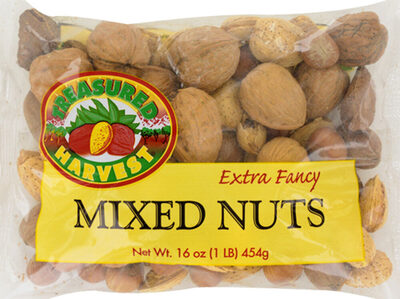









Auto-generated content. This description was generated automatically and is pending editorial review. Inaccuracies are possible. Found a mistake? Contact us.