Butter Solids
Auto-generated content. This description was generated automatically and is pending editorial review. Inaccuracies are possible. Found a mistake? Contact us.
What it is
Butter solids are the non-fat components of butter, remaining after the water and milk fat have been largely removed. They primarily consist of milk proteins (like casein and whey) and lactose (milk sugar). These solids contribute to the characteristic flavor and browning properties of butter.
Why it's used
Manufacturers add butter solids to foods primarily for their rich, creamy flavor and to enhance browning. They are often used in snack foods, seasonings, and baked goods to provide a dairy note without adding significant moisture or fat. They can also contribute to texture and mouthfeel.
Health notes
Butter and its components, including butter solids, are generally recognized as safe (GRAS) by the FDA when used in accordance with good manufacturing practices. As a dairy product, butter solids contain saturated fat, but the amount depends on the processing and concentration. JECFA and EFSA have not evaluated butter solids as a distinct food additive, as they are considered a food ingredient rather than an additive.
Allergen info
Butter solids are derived from milk, which is one of the nine major food allergens identified by the FDA. Products containing butter solids must declare milk as an allergen.
Products containing Butter Solids
Compare products →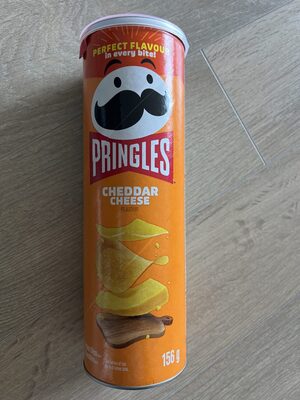 La Jolla Baking Company, Inc.
Cheddar Cheese Flavour Potato Chips, Cheddar Cheese
High in saturated fat — 22% DV per serving
520kcal
4Protein
32Fat
56Carbs
Bimbo Bakeries USA, Inc.
Apple Cinnamon Pound Cake
High in saturated fat — 35% DV per serving
High in cholesterol — 37% DV per serving
370kcal
5.5Protein
15.1Fat
49.3Carbs
La Jolla Baking Company, Inc.
Cheddar Cheese Flavour Potato Chips, Cheddar Cheese
High in saturated fat — 22% DV per serving
520kcal
4Protein
32Fat
56Carbs
Bimbo Bakeries USA, Inc.
Apple Cinnamon Pound Cake
High in saturated fat — 35% DV per serving
High in cholesterol — 37% DV per serving
370kcal
5.5Protein
15.1Fat
49.3Carbs
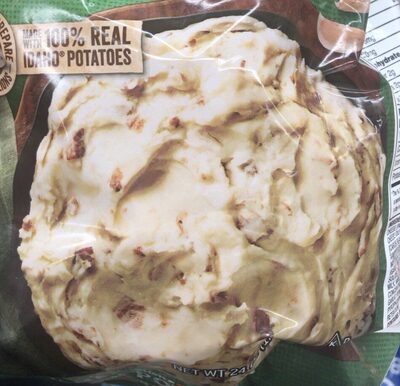 Lamb Weston Sales, Inc.
Roasted Garlic Mashed Potatoes, Roasted Garlic
125kcal
2.7Protein
3.6Fat
21.4Carbs
Lamb Weston Sales, Inc.
Roasted Garlic Mashed Potatoes, Roasted Garlic
125kcal
2.7Protein
3.6Fat
21.4Carbs