Buttermilk
What is Buttermilk?
Buttermilk is the slightly acidic liquid left over after churning butter from cream. Modern cultured buttermilk is typically made by adding lactic acid bacteria to low-fat or skim milk, causing it to thicken and develop a tangy flavor.
Is Buttermilk vegan?
No. Buttermilk is animal-derived, so it is not vegan.
Is Buttermilk a major allergen?
Buttermilk is derived from milk, which is one of the nine major food allergens identified by the FDA.
What is Buttermilk used for?
Manufacturers use buttermilk to add moisture, tenderness, and a distinctive tangy flavor to baked goods like pancakes, biscuits, and cakes.
Is Buttermilk safe?
As a traditional dairy product, buttermilk is Generally Recognized As Safe (GRAS) by the FDA when used as a food ingredient.
Why it's used
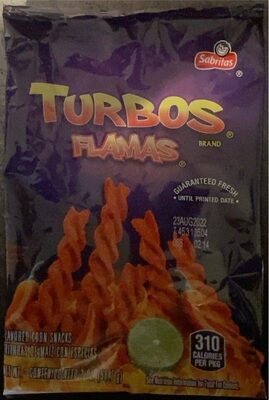
Manufacturers use buttermilk to add moisture, tenderness, and a distinctive tangy flavor to baked goods like pancakes, biscuits, and cakes. Its acidity also helps with leavening when combined with baking soda, and it can be used in marinades or snack seasonings.
Health notes
As a traditional dairy product, buttermilk is Generally Recognized As Safe (GRAS) by the FDA when used as a food ingredient. It is considered a nutritious food, often containing probiotics if cultured. Buttermilk is not typically evaluated by JECFA or EFSA as a food additive, but rather as a common food item.
Allergen info
Buttermilk is derived from milk, which is one of the nine major food allergens identified by the FDA.
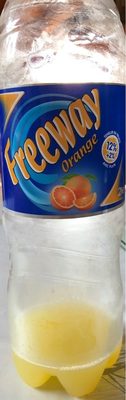
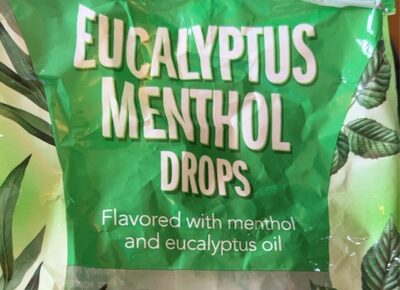
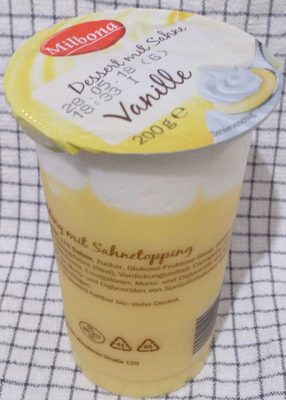
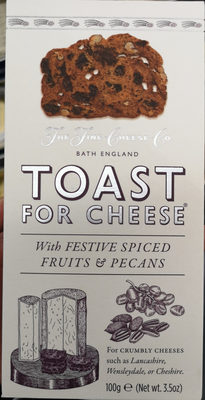
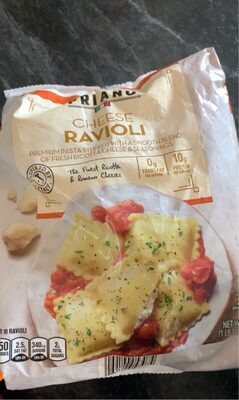
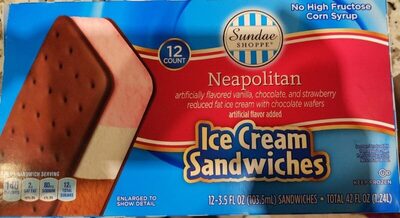
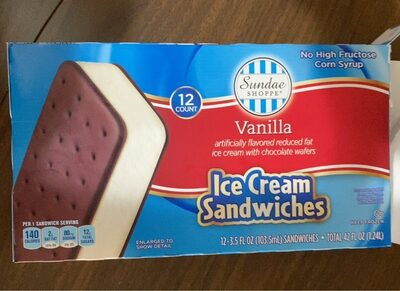
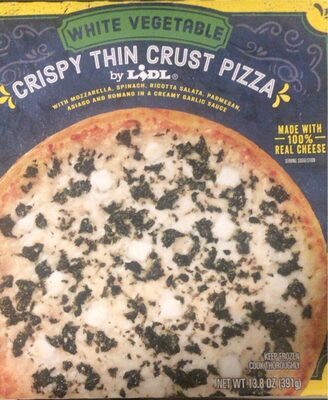
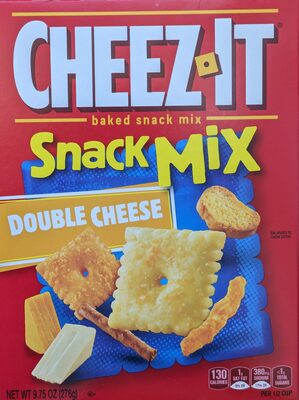
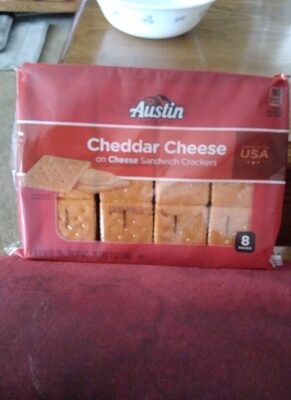
Foods that contain Buttermilk
Compare products →
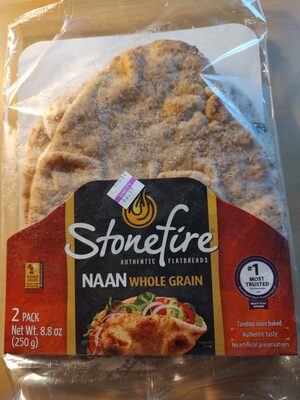
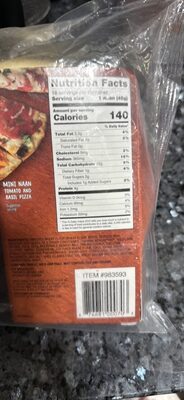


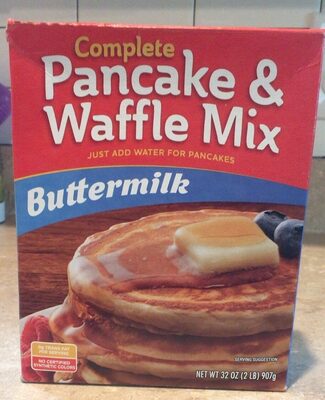
Learn more
Auto-generated content. This description was generated automatically and is pending editorial review. Inaccuracies are possible. Found a mistake? Contact us.