Calcium Chloride As Preservatives
What is Calcium Chloride As Preservatives?
Calcium chloride is a salt made from chlorine and calcium. It is often produced industrially from limestone or as a byproduct of the Solvay process for making sodium carbonate. It appears as white crystals or powder and dissolves easily in water.
Is Calcium Chloride As Preservatives vegan?
Calcium Chloride As Preservatives is not animal-derived. Products that contain it can still include other animal-derived ingredients, so check the full ingredient list.
Is Calcium Chloride As Preservatives gluten-free?
It does not contain gluten.
Is Calcium Chloride As Preservatives a major allergen?
Calcium chloride is not derived from any of the nine FDA major allergens.
What is Calcium Chloride As Preservatives used for?
Calcium chloride is used in food as a firming agent, flavor enhancer, and preservative.
Is Calcium Chloride As Preservatives safe?
Calcium chloride is generally recognized as safe (GRAS) by the FDA for use in food.
Why it's used
Calcium chloride is used in food as a firming agent, flavor enhancer, and preservative. It helps canned fruits and vegetables maintain their texture and is used in cheese making to help coagulate milk proteins. It is also added to beer to balance the flavors and is found in some processed foods like cereals and pickles.
Health notes
Calcium chloride is generally recognized as safe (GRAS) by the FDA for use in food. It is a source of calcium, an essential nutrient. JECFA has evaluated calcium chloride and established an acceptable daily intake. It is not known to cause adverse health effects when consumed in amounts typically found in food.
Allergen info
Calcium chloride is not derived from any of the nine FDA major allergens. It does not contain gluten.
Foods that contain Calcium Chloride As Preservatives
Compare products →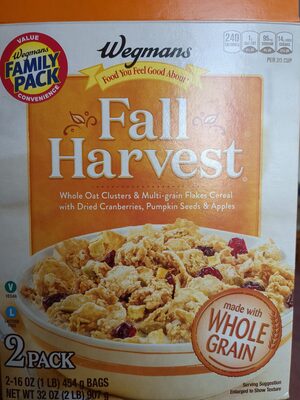 Wegmans Food Markets, Inc.
Fall Harvest Cereal
418kcal
9.1Protein
9.1Fat
78.2Carbs
Wegmans Food Markets, Inc.
Fall Harvest Cereal
418kcal
9.1Protein
9.1Fat
78.2Carbs
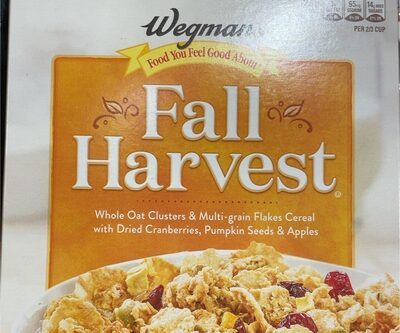 Wegmans Food Markets, Inc.
Fall Harvest Whole Oat Clusters & Multi-Grain Flakes Cereal With Dried Cranberries, Pumpkin Seeds & Apples
High in added sugars — 28% DV per serving
414kcal
8.6Protein
8.6Fat
77.6Carbs
Giant Eagle, Inc.
Giant Eagle, Nature's Basket, Granola, Pumpkin Spice Cranberry, Pumpkin Spice Cranberry
436kcal
9.1Protein
12.7Fat
72.7Carbs
Rainbow Acres, Inc.
Low Fat Granola, Apple Cinnamon
400kcal
10.9Protein
4.5Fat
80Carbs
Silk Trails, Inc.
Apple Cinnamon Granola, Apple Cinnamon
382kcal
10.9Protein
4.5Fat
78.2Carbs
Smart & Final Iris Corporation
Apple Cinnamon Granola, Apple Cinnamon
382kcal
10.9Protein
4.5Fat
78.2Carbs
Wegmans Food Markets, Inc.
Fall Harvest Whole Oat Clusters & Multi-Grain Flakes Cereal With Dried Cranberries, Pumpkin Seeds & Apples
High in added sugars — 28% DV per serving
414kcal
8.6Protein
8.6Fat
77.6Carbs
Giant Eagle, Inc.
Giant Eagle, Nature's Basket, Granola, Pumpkin Spice Cranberry, Pumpkin Spice Cranberry
436kcal
9.1Protein
12.7Fat
72.7Carbs
Rainbow Acres, Inc.
Low Fat Granola, Apple Cinnamon
400kcal
10.9Protein
4.5Fat
80Carbs
Silk Trails, Inc.
Apple Cinnamon Granola, Apple Cinnamon
382kcal
10.9Protein
4.5Fat
78.2Carbs
Smart & Final Iris Corporation
Apple Cinnamon Granola, Apple Cinnamon
382kcal
10.9Protein
4.5Fat
78.2Carbs
Learn more
Auto-generated content. This description was generated automatically and is pending editorial review. Inaccuracies are possible. Found a mistake? Contact us.