Calcium Phosphate And Baking Soda
What is Calcium Phosphate And Baking Soda?
Calcium phosphate is a group of minerals that includes calcium and phosphate. Baking soda, also known as sodium bicarbonate, is a white crystalline powder. Both are naturally occurring minerals that can be purified and processed for food use.
Is Calcium Phosphate And Baking Soda vegan?
Calcium Phosphate And Baking Soda is not animal-derived. Products that contain it can still include other animal-derived ingredients, so check the full ingredient list.
Is Calcium Phosphate And Baking Soda a major allergen?
Not a major allergen.
What is Calcium Phosphate And Baking Soda used for?
Calcium phosphate and baking soda are often used together as leavening agents in baked goods like biscuits and crackers.
Is Calcium Phosphate And Baking Soda safe?
Both calcium phosphate and baking soda are generally recognized as safe (GRAS) by the FDA when used as food ingredients.
Why it's used
Calcium phosphate and baking soda are often used together as leavening agents in baked goods like biscuits and crackers. They react to produce carbon dioxide gas, which causes the dough to rise and become light and fluffy. They can also help control acidity and improve texture.
Health notes
Both calcium phosphate and baking soda are generally recognized as safe (GRAS) by the FDA when used as food ingredients. They are common sources of calcium and phosphorus in the diet. The Joint FAO/WHO Expert Committee on Food Additives (JECFA) has evaluated these substances. At typical dietary intakes, they are not associated with adverse health effects.
Allergen info
Not a major allergen.
Foods that contain Calcium Phosphate And Baking Soda
Compare products →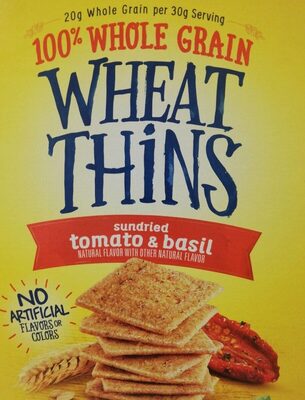
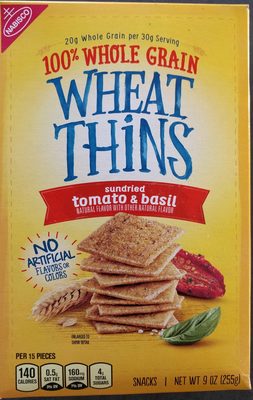
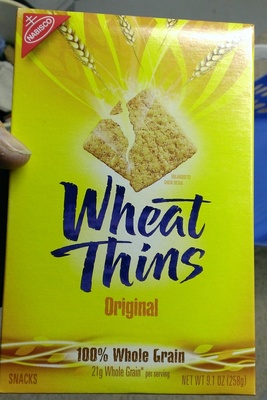
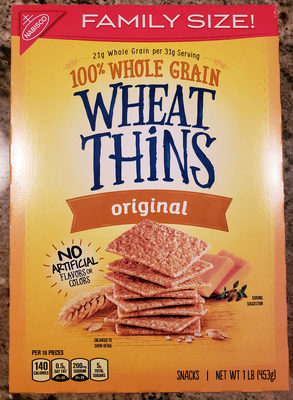
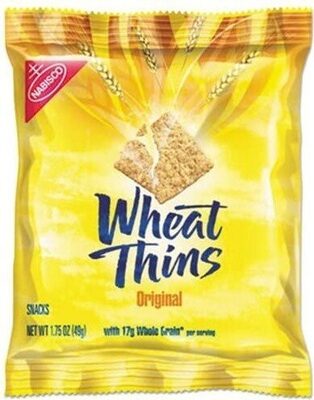 Mondelez Int. US (0074819091009)
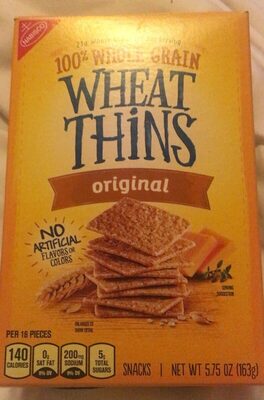
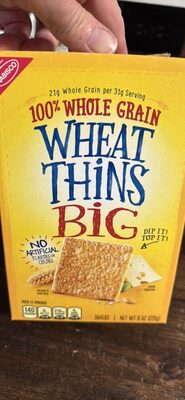
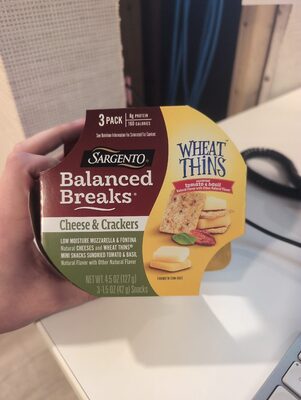
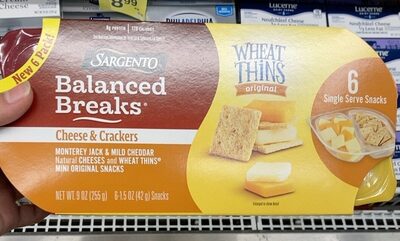
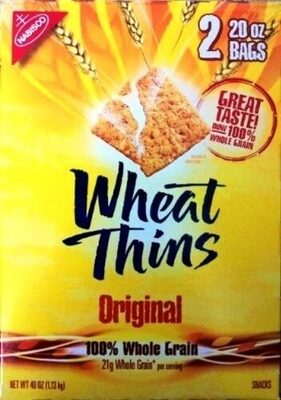
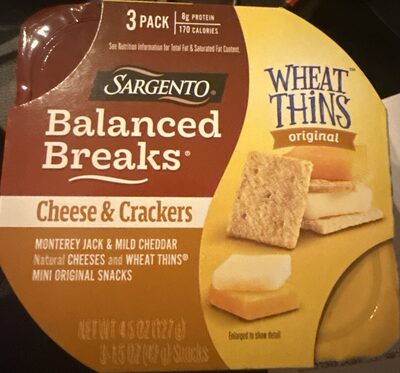
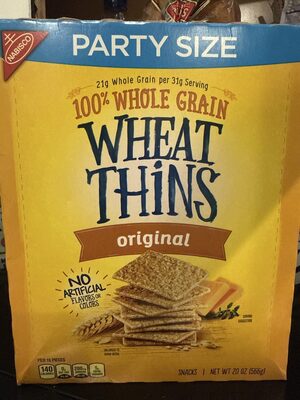
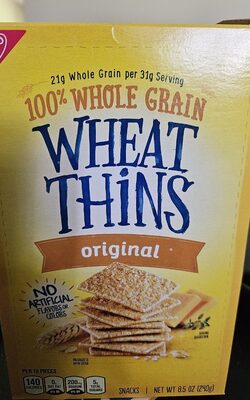
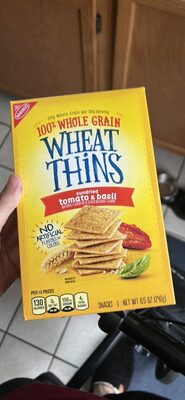
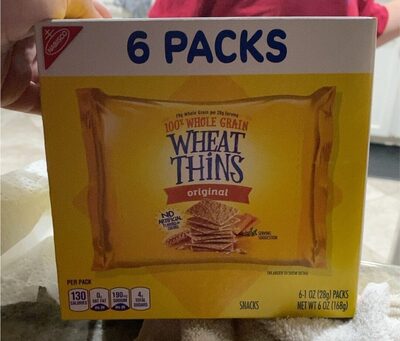
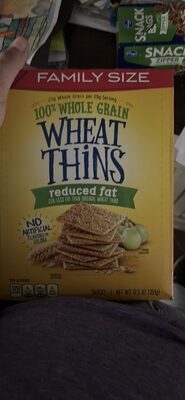
Wheat Thins Crackers 1X1.75 Oz
443kcal
6.0Protein
16.1Fat
70.5Carbs

Auto-generated content. This description was generated automatically and is pending editorial review. Inaccuracies are possible. Found a mistake? Contact us.