Calcium Propionate A Preservative
Auto-generated content. This description was generated automatically and is pending editorial review. Inaccuracies are possible. Found a mistake? Contact us.
What it is
Calcium propionate is a salt of propionic acid, a naturally occurring fatty acid found in some foods. It is manufactured industrially by reacting propionic acid with calcium carbonate or calcium hydroxide. It appears as a white powder or crystals.
Why it's used
Manufacturers add calcium propionate to foods primarily as a preservative to inhibit the growth of mold and bacteria. It is commonly found in baked goods such as breads, cakes, and pastries, helping to extend their shelf life.
Health notes
In the United States, calcium propionate is generally recognized as safe (GRAS) by the FDA when used as a food preservative. Regulatory bodies like JECFA and EFSA have evaluated it. Studies on the effects of calcium propionate at typical dietary intake levels have not shown adverse health effects in most people. Some research has explored its potential role in behavior in children, but evidence is mixed and not conclusive.
Allergen info
Calcium propionate is not derived from any of the FDA's major allergens and does not contain gluten.
Products containing Calcium Propionate A Preservative
Compare products →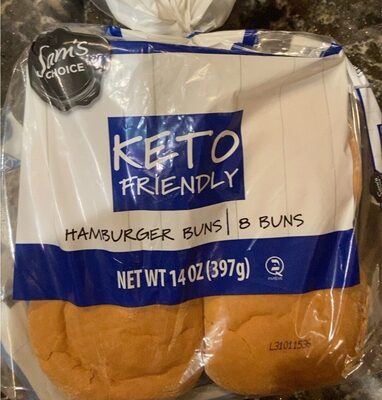 Wal-Mart Stores, Inc.
Keto Friendly Hamburger Bun
100kcal
—Protein
2Fat
46Carbs
Nash Finch Company
Cinn-Raisin Pre-Sliced Enriched Bagels, Cinn-Raisin
266kcal
9.6Protein
1.6Fat
55.3Carbs
Nash Finch Company
Everything Bagels, Everything
High in sodium — 21% DV per serving
277kcal
9.6Protein
3.2Fat
54.3Carbs
Wal-Mart Stores, Inc.
Keto Friendly Hamburger Bun
100kcal
—Protein
2Fat
46Carbs
Nash Finch Company
Cinn-Raisin Pre-Sliced Enriched Bagels, Cinn-Raisin
266kcal
9.6Protein
1.6Fat
55.3Carbs
Nash Finch Company
Everything Bagels, Everything
High in sodium — 21% DV per serving
277kcal
9.6Protein
3.2Fat
54.3Carbs