Canola And Olive Oil Blend
What is Canola And Olive Oil Blend?
This is a blend of oils made from rapeseed (canola) and olives. Canola oil is extracted from the seeds of the rapeseed plant, while olive oil comes from pressed olives. The blend is used to combine the flavor and properties of both oils.
Is Canola And Olive Oil Blend vegan?
Canola And Olive Oil Blend is not animal-derived. Products that contain it can still include other animal-derived ingredients, so check the full ingredient list.
Is Canola And Olive Oil Blend gluten-free?
They do not contain gluten.
Is Canola And Olive Oil Blend a major allergen?
Neither canola oil nor olive oil are derived from the nine FDA major allergens.
What is Canola And Olive Oil Blend used for?
Manufacturers use this blend as a cooking oil, for salad dressings, and in marinades.
Is Canola And Olive Oil Blend safe?
Both canola oil and olive oil are generally recognized as safe (GRAS) by the FDA for use in food.
Why it's used
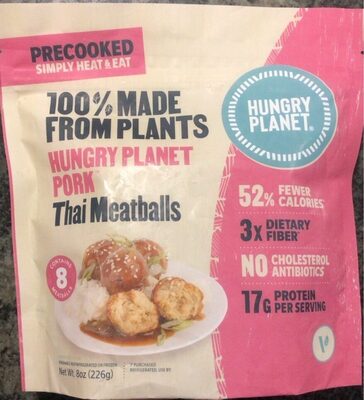
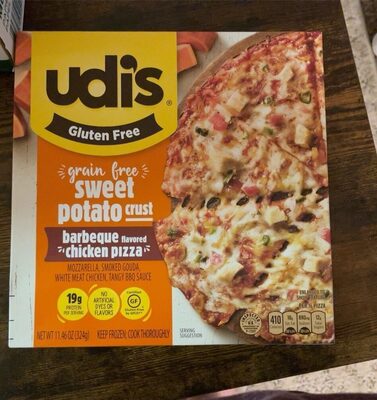
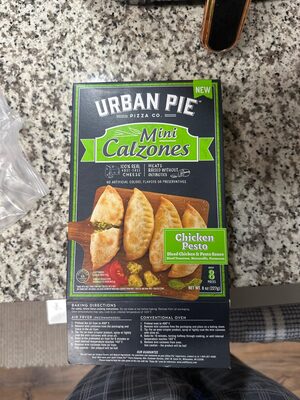
Manufacturers use this blend as a cooking oil, for salad dressings, and in marinades. It provides a balance of flavor and a good source of monounsaturated fats. It can be found in various prepared foods like deli items, pizzas, and dips.
Health notes
Both canola oil and olive oil are generally recognized as safe (GRAS) by the FDA for use in food. They are sources of healthy fats, particularly monounsaturated fats, which are part of a balanced diet. Regulatory bodies like JECFA and EFSA have evaluated these oils. Research suggests that diets rich in monounsaturated fats may support heart health.
Allergen info
Neither canola oil nor olive oil are derived from the nine FDA major allergens. They do not contain gluten.
Foods that contain Canola And Olive Oil Blend
Compare products →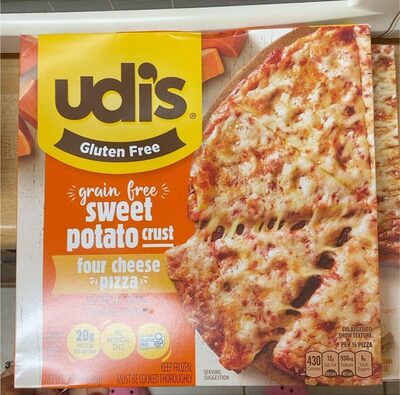
Learn more
Auto-generated content. This description was generated automatically and is pending editorial review. Inaccuracies are possible. Found a mistake? Contact us.