Carnaroli Rice
What is Carnaroli Rice?
Carnaroli rice is a medium-grain rice variety grown in Italy, often called the "king" of Italian rice for risotto. It is known for its high starch content, which releases slowly during cooking, giving risotto its characteristic creamy texture while the grains remain firm and distinct.
Is Carnaroli Rice vegan?
Carnaroli Rice is not animal-derived. Products that contain it can still include other animal-derived ingredients, so check the full ingredient list.
Is Carnaroli Rice gluten-free?
It is naturally gluten-free.
Is Carnaroli Rice a major allergen?
Rice is not one of the nine major allergens recognized by the FDA.
What is Carnaroli Rice used for?
Carnaroli rice is primarily used to make risotto, a traditional Italian rice dish.
Is Carnaroli Rice safe?
Carnaroli rice is a whole food and not an additive.
Why it's used
Carnaroli rice is primarily used to make risotto, a traditional Italian rice dish. Its ability to absorb liquids and flavors without becoming mushy makes it ideal for dishes where a creamy yet firm rice texture is desired.
Health notes
Carnaroli rice is a whole food and not an additive. It is a source of carbohydrates, providing energy. Like other grains, it contains fiber, vitamins, and minerals. The U.S. Food and Drug Administration (FDA) does not regulate rice as a food additive. No specific health concerns are associated with typical consumption of rice.
Allergen info
Rice is not one of the nine major allergens recognized by the FDA. It is naturally gluten-free.
Foods that contain Carnaroli Rice
Compare products →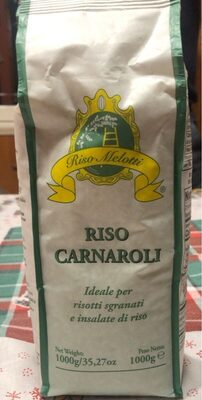
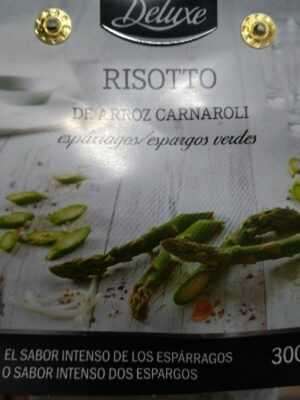
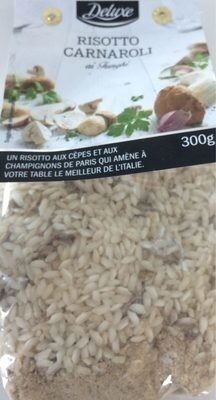
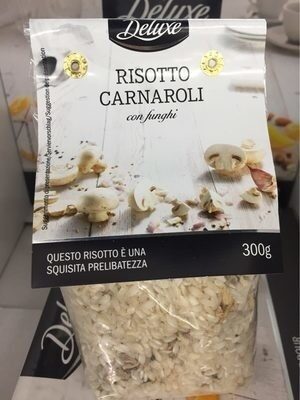
Learn more
Auto-generated content. This description was generated automatically and is pending editorial review. Inaccuracies are possible. Found a mistake? Contact us.