Carrageenan Gum
What is Carrageenan Gum?
Carrageenan gum is a food additive derived from red seaweed. It is extracted from the seaweed using an alkali process, then dried and ground into a powder. This process yields different types of carrageenan, such as kappa and iota, which have slightly different properties.
Is Carrageenan Gum vegan?
Carrageenan Gum is not animal-derived. Products that contain it can still include other animal-derived ingredients, so check the full ingredient list.
Is Carrageenan Gum gluten-free?
It does not contain gluten.
Is Carrageenan Gum a major allergen?
Carrageenan gum is derived from seaweed and is not one of the nine major allergens recognized by the FDA.
What is Carrageenan Gum used for?
Manufacturers use carrageenan gum as a thickener, stabilizer, and gelling agent.
Is Carrageenan Gum safe?
In the U.S., carrageenan is generally recognized as safe (GRAS) by the FDA for use in food.
Why it's used
Manufacturers use carrageenan gum as a thickener, stabilizer, and gelling agent. It helps improve the texture and consistency of many foods. You can find it in dairy products like ice cream and yogurt, as well as in processed meats, desserts, and plant-based milk alternatives.
Health notes
In the U.S., carrageenan is generally recognized as safe (GRAS) by the FDA for use in food. It is also approved as a food additive in the European Union. Both the Joint FAO/WHO Expert Committee on Food Additives (JECFA) and the European Food Safety Authority (EFSA) have evaluated carrageenan. Some studies have raised concerns about potential digestive issues or inflammation, but these findings are often based on high doses or degraded forms of carrageenan not typically found in food. The FDA continues to monitor scientific research on food ingredients.
Allergen info
Carrageenan gum is derived from seaweed and is not one of the nine major allergens recognized by the FDA. It does not contain gluten.
Foods that contain Carrageenan Gum
Compare products →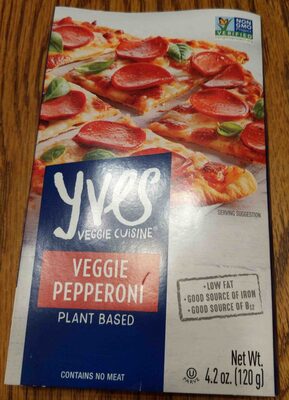
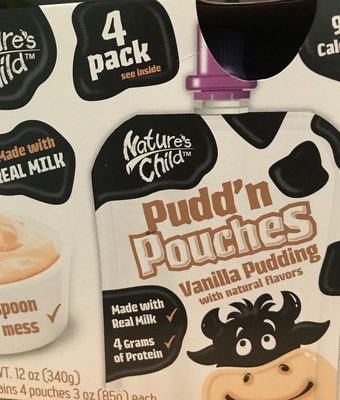
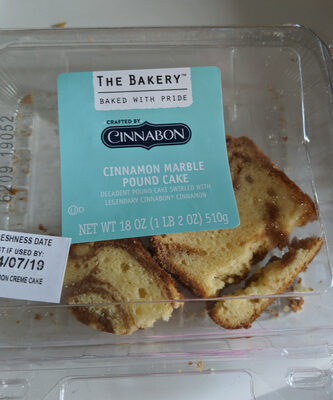
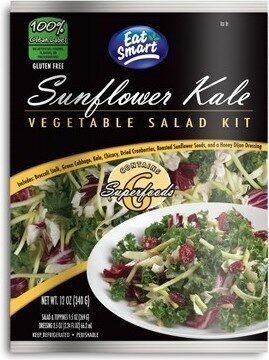
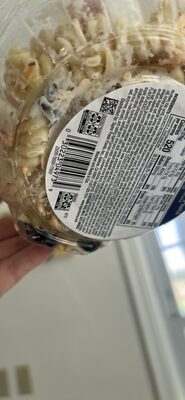
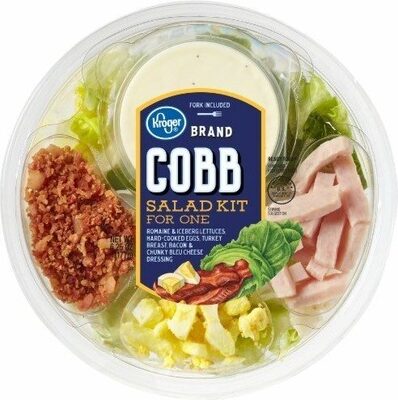
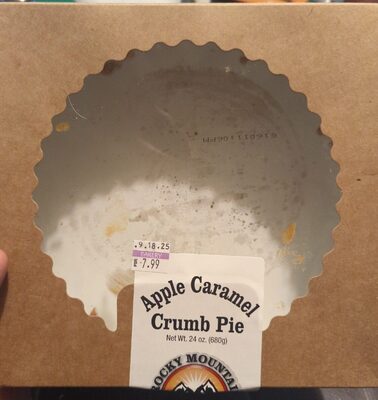
Learn more
Auto-generated content. This description was generated automatically and is pending editorial review. Inaccuracies are possible. Found a mistake? Contact us.