Cashew
What is Cashew?
Cashews are kidney-shaped seeds that grow at the bottom of the cashew apple, a fruit native to northeastern Brazil. After harvesting, the cashew apple is separated from the seed. The seed, or cashew nut, is then processed to remove its toxic shell oil before it can be eaten.
Is Cashew vegan?
Cashew is not animal-derived. Products that contain it can still include other animal-derived ingredients, so check the full ingredient list.
Is Cashew a major allergen?
Cashews are a tree nut, which is one of the 9 major allergens recognized by the FDA.
What is Cashew used for?
Cashews are often eaten as a snack or used in cooking and baking.
Is Cashew safe?
Cashews are a source of healthy fats, protein, vitamins, and minerals.
Why it's used
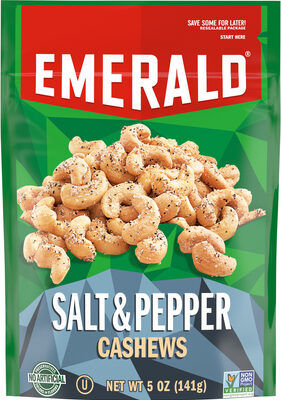
Cashews are often eaten as a snack or used in cooking and baking. They add a creamy texture and rich flavor to dishes like sauces, curries, and desserts. Cashews are also processed into cashew butter, milk, and cheese alternatives.
Health notes
Cashews are a source of healthy fats, protein, vitamins, and minerals. The FDA recognizes cashews as Generally Recognized As Safe (GRAS). Regulatory bodies like EFSA have evaluated cashews, and they are widely consumed globally. While generally considered healthy, excessive intake of any food can contribute to weight gain due to calorie density.
Allergen info
Cashews are a tree nut, which is one of the 9 major allergens recognized by the FDA. People with tree nut allergies should avoid cashews.
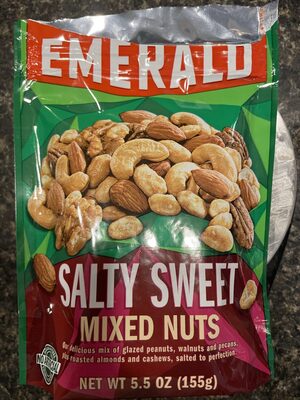
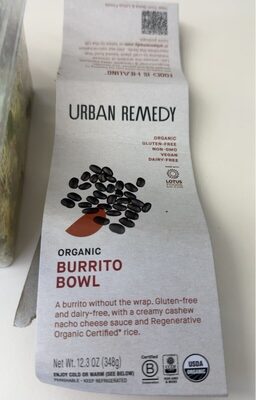
Foods that contain Cashew
Compare products →






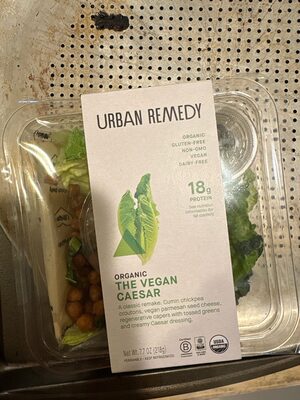
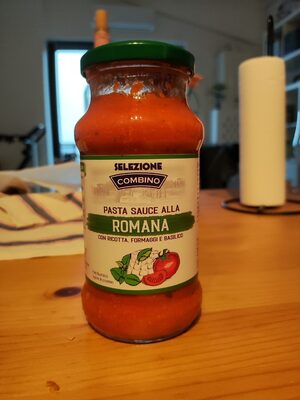



Learn more
Auto-generated content. This description was generated automatically and is pending editorial review. Inaccuracies are possible. Found a mistake? Contact us.