Certified Organic Milk
Auto-generated content. This description was generated automatically and is pending editorial review. Inaccuracies are possible. Found a mistake? Contact us.
What it is
Certified organic milk comes from cows raised according to specific organic farming standards. These standards require that cows are fed organic feed, have access to pasture, and are not treated with synthetic hormones or antibiotics. The milk is processed similarly to conventional milk, but adheres to these organic principles from farm to carton.
Why it's used
Certified organic milk is primarily consumed as a beverage and used as a core ingredient in a wide range of dairy products. It provides essential nutrients such as protein, calcium, and vitamin D (if fortified). Manufacturers use it to produce organic cheeses, yogurts, ice creams, and other milk-based foods.
Health notes
Milk is regulated by the FDA as a food, not an additive. It is a source of essential nutrients, including protein, calcium, and vitamin D (when fortified). While some consumers prefer organic milk due to concerns about conventional farming practices, scientific reviews generally indicate no significant nutritional differences between organic and conventional milk.
Allergen info
Milk is one of the nine major food allergens identified by the FDA. Individuals with a milk allergy must avoid it.
Products containing Certified Organic Milk
Compare products →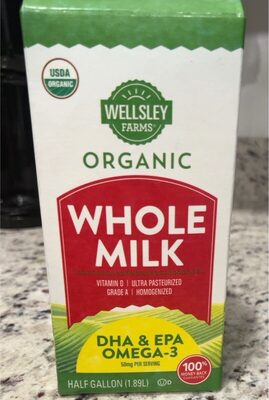 BJ's Wholesale Club / Corporate Brands
Organic Whole Milk
High in saturated fat — 25% DV per serving
62kcal
3.3Protein
3.3Fat
5Carbs
BJ's Wholesale Club / Corporate Brands
Organic Whole Milk
High in saturated fat — 25% DV per serving
62kcal
3.3Protein
3.3Fat
5Carbs