Chardonnay Wine
What is Chardonnay Wine?
Chardonnay is a green-skinned grape variety used to make white wine. It originated in the Burgundy region of France. The grapes are typically crushed and fermented to produce wine, which can then be aged in oak barrels or stainless steel tanks.
Is Chardonnay Wine gluten-free?
It does not contain gluten.
Is Chardonnay Wine a major allergen?
Chardonnay wine is not derived from any of the 9 FDA major allergens.
What is Chardonnay Wine used for?
Chardonnay wine is used in food preparation primarily for its flavor.
Is Chardonnay Wine safe?
Chardonnay wine is regulated as an alcoholic beverage by the Alcohol and Tobacco Tax and Trade Bureau (TTB) and the FDA.
Why it's used
Chardonnay wine is used in food preparation primarily for its flavor. It adds a complex, often fruity or buttery taste to dishes. It is commonly found in sauces, marinades, and baked goods, and is also used to deglaze pans.
Health notes
Chardonnay wine is regulated as an alcoholic beverage by the Alcohol and Tobacco Tax and Trade Bureau (TTB) and the FDA. Moderate consumption of alcohol has been linked to some potential health benefits in some studies, but also to increased risks of certain cancers and other health problems. The World Health Organization (WHO) classifies alcohol as a Group 1 carcinogen. JECFA has evaluated alcohol and set an acceptable daily intake. Evidence on health effects is mixed and depends heavily on the amount consumed.
Allergen info
Chardonnay wine is not derived from any of the 9 FDA major allergens. It does not contain gluten.
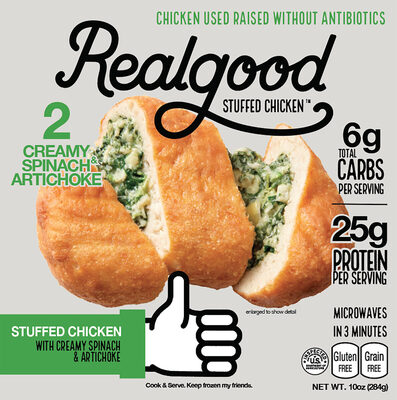
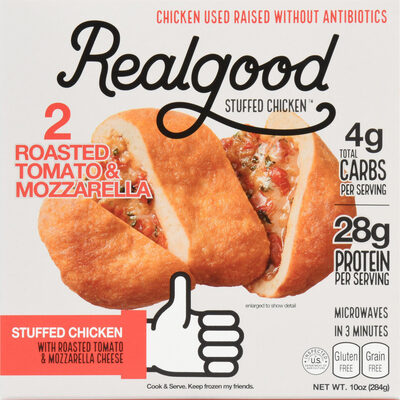
Foods that contain Chardonnay Wine
Compare products →

















Learn more
Auto-generated content. This description was generated automatically and is pending editorial review. Inaccuracies are possible. Found a mistake? Contact us.