Cheese Monterey Jack Cheese
What is Cheese Monterey Jack Cheese?
Monterey Jack is a semi-hard American cheese made from cow's milk. It originated in the 19th century in the Monterey, California area. The cheese is typically made by curdling milk with rennet and then pressing the curds into a mold.
Is Cheese Monterey Jack Cheese vegan?
No. Cheese Monterey Jack Cheese is animal-derived, so it is not vegan.
Is Cheese Monterey Jack Cheese gluten-free?
It does not contain gluten.
Is Cheese Monterey Jack Cheese a major allergen?
Monterey Jack cheese is derived from milk, which is one of the 9 FDA major allergens.
What is Cheese Monterey Jack Cheese used for?
Monterey Jack is often used as a table cheese or a melting cheese.
Is Cheese Monterey Jack Cheese safe?
Monterey Jack cheese is generally recognized as safe (GRAS) by the FDA as a food ingredient.
Why it's used
Monterey Jack is often used as a table cheese or a melting cheese. Its mild flavor and good melting properties make it popular in dishes like quesadillas, nachos, and sandwiches. It is also commonly found in cheese blends and snack packs.
Health notes
Monterey Jack cheese is generally recognized as safe (GRAS) by the FDA as a food ingredient. It is a source of protein, calcium, and vitamin B12. Like other dairy products, it contains saturated fat and cholesterol. JECFA and EFSA have evaluated cheese as a food category. No specific health concerns are associated with the typical consumption of Monterey Jack cheese.
Allergen info
Monterey Jack cheese is derived from milk, which is one of the 9 FDA major allergens. It does not contain gluten.
Foods that contain Cheese Monterey Jack Cheese
Compare products →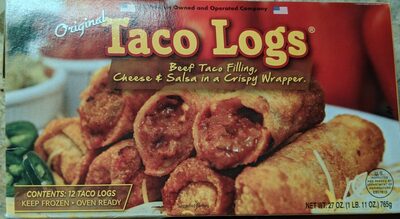
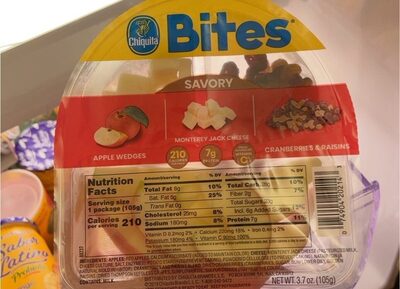
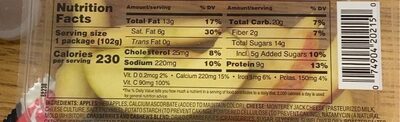
Learn more
Auto-generated content. This description was generated automatically and is pending editorial review. Inaccuracies are possible. Found a mistake? Contact us.