Cheese: Pasteurized Cow's Milk
What is Cheese: Pasteurized Cow's Milk?
Pasteurized cow's milk is milk that has been heated to a specific temperature for a set period to kill harmful bacteria. This process is called pasteurization. It is the primary ingredient in many dairy products, including cheese.
Is Cheese: Pasteurized Cow's Milk vegan?
No. Cheese: Pasteurized Cow's Milk is animal-derived, so it is not vegan.
Is Cheese: Pasteurized Cow's Milk gluten-free?
It does not contain gluten.
Is Cheese: Pasteurized Cow's Milk a major allergen?
Milk is one of the 9 major allergens identified by the FDA.
What is Cheese: Pasteurized Cow's Milk used for?
Pasteurized cow's milk is the base for cheese production.
Is Cheese: Pasteurized Cow's Milk safe?
Pasteurized cow's milk is a source of protein, calcium, and vitamin D.
Why it's used
Pasteurized cow's milk is the base for cheese production. Manufacturers use it to create a wide variety of cheeses, from soft mozzarella to hard cheddar, which are then used in countless dishes and as standalone food items.
Health notes
Pasteurized cow's milk is a source of protein, calcium, and vitamin D. It is considered a staple food in many diets. The FDA recognizes milk as a major allergen. Regulatory bodies like the WHO and EFSA have not specifically evaluated pasteurized cow's milk as a standalone ingredient in the same way they evaluate additives, but its nutritional components are widely studied.
Allergen info
Milk is one of the 9 major allergens identified by the FDA. It does not contain gluten.
Foods that contain Cheese: Pasteurized Cow's Milk
Compare products →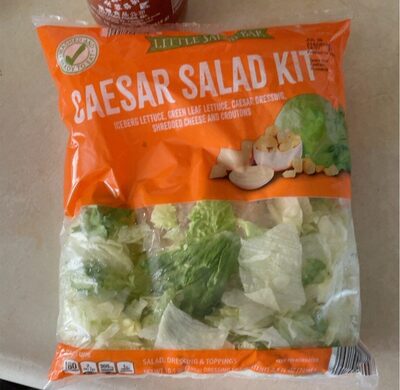
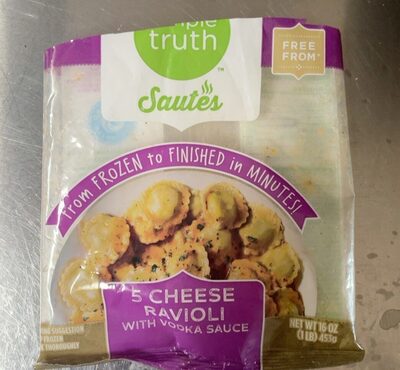
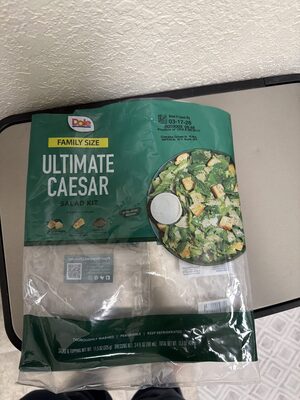
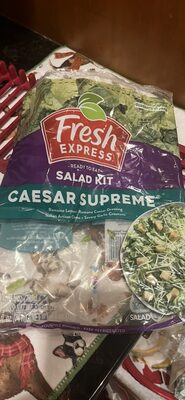
Learn more
Auto-generated content. This description was generated automatically and is pending editorial review. Inaccuracies are possible. Found a mistake? Contact us.