Cheese: Pasteurized Milk
What is Cheese: Pasteurized Milk?
Pasteurized milk is milk that has been heated to a specific temperature for a set period to kill harmful bacteria. This process is crucial for food safety. The milk used for cheese can come from cows, goats, sheep, or other mammals.
Is Cheese: Pasteurized Milk vegan?
No. Cheese: Pasteurized Milk is animal-derived, so it is not vegan.
Is Cheese: Pasteurized Milk a major allergen?
Milk is one of the 9 FDA major allergens.
What is Cheese: Pasteurized Milk used for?
Pasteurized milk is the primary ingredient in most cheeses, providing the base for their texture and flavor.
Is Cheese: Pasteurized Milk safe?
Pasteurized milk is a staple food in the US and is generally recognized as safe by the FDA.
Why it's used
Pasteurized milk is the primary ingredient in most cheeses, providing the base for their texture and flavor. It is essential for cheesemaking, where it undergoes processes like coagulation and aging. It is found in virtually all cheese products.
Health notes
Pasteurized milk is a staple food in the US and is generally recognized as safe by the FDA. It is a significant source of calcium, vitamin D, and protein. Regulatory bodies like JECFA and EFSA have evaluated milk and dairy products. While generally safe, some individuals may have lactose intolerance or milk allergies.
Allergen info
Milk is one of the 9 FDA major allergens. Cheese derived from milk is therefore considered to contain a major allergen.
Foods that contain Cheese: Pasteurized Milk
Compare products →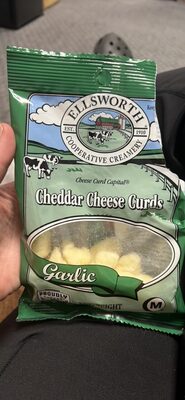
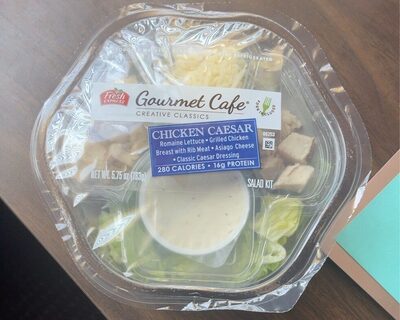
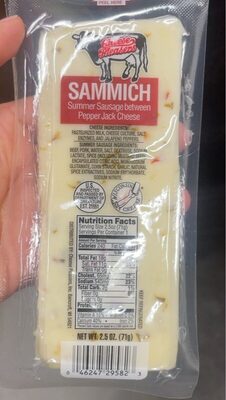
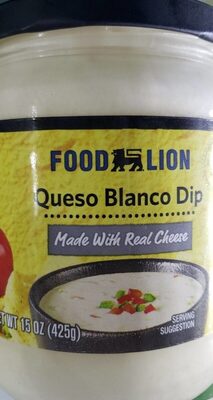
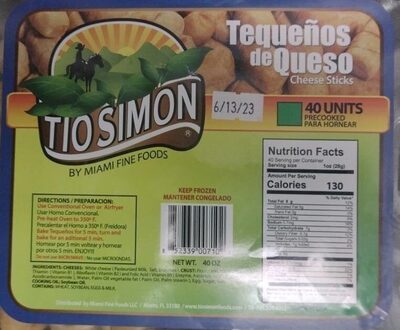
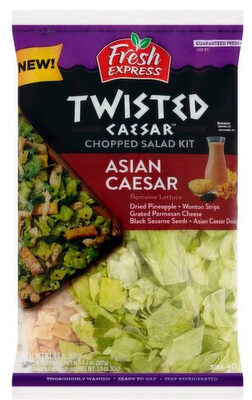
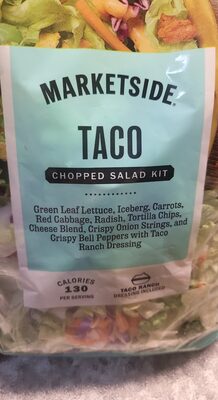
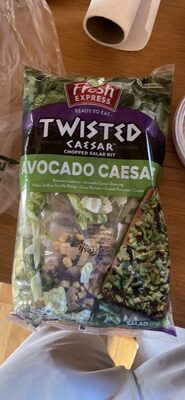
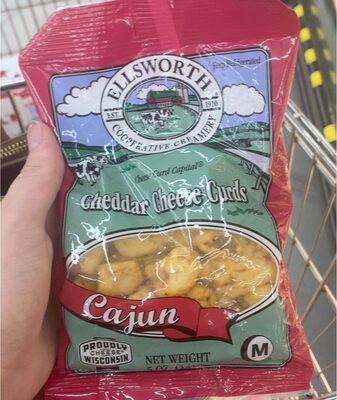
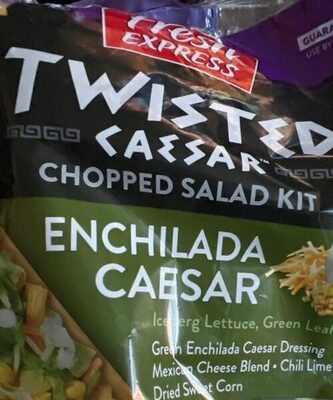
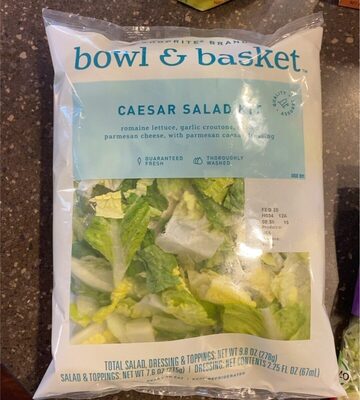
Learn more
Auto-generated content. This description was generated automatically and is pending editorial review. Inaccuracies are possible. Found a mistake? Contact us.