Cheese Preparation
What is Cheese Preparation?
Cheese preparation refers to a variety of products made from cheese, often processed to achieve a specific texture, flavor, or melting quality. These preparations can include cheese powders, cheese sauces, or cheese spreads, which are created by blending cheese with other ingredients like water, milk solids, emulsifiers, and flavorings.
Is Cheese Preparation vegan?
No. Cheese Preparation is animal-derived, so it is not vegan.
Is Cheese Preparation a major allergen?
Cheese is derived from milk, which is one of the 9 FDA major allergens.
What is Cheese Preparation used for?
Manufacturers use cheese preparations to add a distinct cheesy flavor and creamy texture to foods.
Is Cheese Preparation safe?
Cheese preparations are generally considered safe when consumed as part of a balanced diet.
Why it's used
Manufacturers use cheese preparations to add a distinct cheesy flavor and creamy texture to foods. They are commonly found in processed cheese products, sauces for pasta and snacks, dips, and as a flavoring in crackers and baked goods.
Health notes
Cheese preparations are generally considered safe when consumed as part of a balanced diet. The FDA regulates cheese and cheese products to ensure they meet safety standards. Specific health impacts would depend on the overall nutritional profile of the food item containing the cheese preparation, including its sodium and fat content.
Allergen info
Cheese is derived from milk, which is one of the 9 FDA major allergens. Therefore, cheese preparations are considered to contain a major allergen.
Foods that contain Cheese Preparation
Compare products →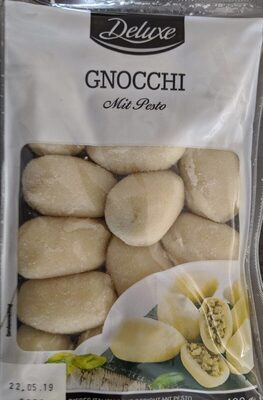 PREFERRED SELECTION
Italian Style Potato Dumplings With A Pesto Filling Pesto Gnocchi
High in sodium — 145% DV per serving
High in saturated fat — 40% DV per serving
160kcal
4.2Protein
3.5Fat
27Carbs
PREFERRED SELECTION
Italian Style Potato Dumplings With A Pesto Filling Pesto Gnocchi
High in sodium — 145% DV per serving
High in saturated fat — 40% DV per serving
160kcal
4.2Protein
3.5Fat
27Carbs
 Gle Inc.
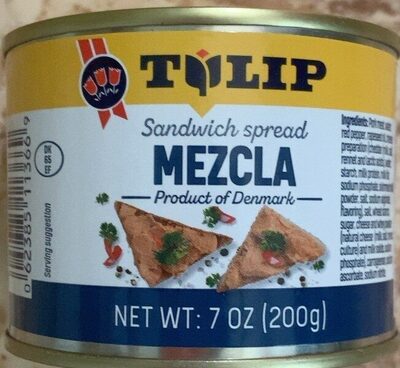
Mezcla Sandwich Spread With Jamonilla
High in sodium — 22% DV per serving
179kcal
8.9Protein
16.1Fat
3.6Carbs
Gle Inc.
Mezcla Sandwich Spread With Jamonilla
High in sodium — 22% DV per serving
179kcal
8.9Protein
16.1Fat
3.6Carbs
 First Touch Sports, Inc.
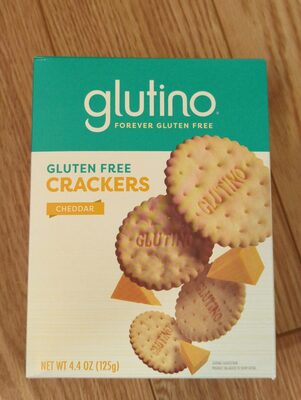
Cheddar Gluten Free Crackers, Cheddar
467kcal
3.3Protein
16.7Fat
70Carbs
First Touch Sports, Inc.
Cheddar Gluten Free Crackers, Cheddar
467kcal
3.3Protein
16.7Fat
70Carbs
Learn more
Auto-generated content. This description was generated automatically and is pending editorial review. Inaccuracies are possible. Found a mistake? Contact us.