Cheese: Romano Type Cheese
What is Cheese: Romano Type Cheese?
Romano type cheese is a hard, salty cheese known for its strong flavor. It is traditionally made from sheep's milk, but versions made from cow's milk are also common. The cheese is aged for several months, which gives it its firm texture and sharp taste.
Is Cheese: Romano Type Cheese vegan?
No. Cheese: Romano Type Cheese is animal-derived, so it is not vegan.
Is Cheese: Romano Type Cheese a major allergen?
This ingredient contains milk, which is one of the nine major food allergens identified by the FDA.
What is Cheese: Romano Type Cheese used for?
Manufacturers add Romano type cheese to foods primarily for its distinctive savory flavor and texture.
Is Cheese: Romano Type Cheese safe?
Romano type cheese is a food ingredient, not a food additive, and is generally recognized as safe when consumed as part of a balanced diet.
Why it's used
Manufacturers add Romano type cheese to foods primarily for its distinctive savory flavor and texture. It is often used in grated form as a topping for salads, pasta dishes, and pizzas. It can also be an ingredient in sauces, dressings, and prepared meals.
Health notes
Romano type cheese is a food ingredient, not a food additive, and is generally recognized as safe when consumed as part of a balanced diet. It is a source of protein and calcium. Like many cheeses, it can be high in sodium and saturated fat, which the Dietary Guidelines for Americans (2025-2030) suggest limiting. No specific regulatory evaluations by JECFA or EFSA are typically conducted for whole food ingredients like cheese.
Allergen info
This ingredient contains milk, which is one of the nine major food allergens identified by the FDA.
Foods that contain Cheese: Romano Type Cheese
Compare products →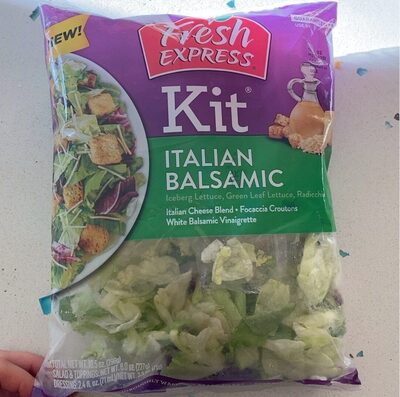
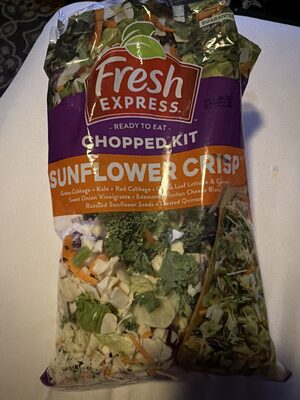
Learn more
Auto-generated content. This description was generated automatically and is pending editorial review. Inaccuracies are possible. Found a mistake? Contact us.