Chicken Breast Tenders
What is Chicken Breast Tenders?
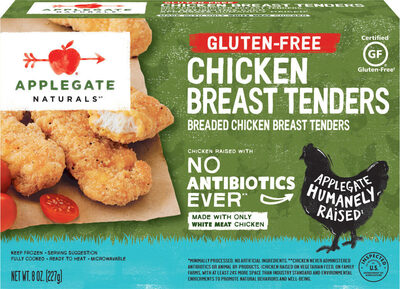
Chicken breast tenders are pieces of boneless, skinless chicken breast that have been cut into strips. They are typically breaded and pre-cooked, often through frying or baking, to be reheated by consumers.
Is Chicken Breast Tenders vegan?
No. Chicken Breast Tenders is animal-derived, so it is not vegan.
Is Chicken Breast Tenders a major allergen?
Chicken itself is not one of the 9 FDA major allergens.
What is Chicken Breast Tenders used for?
Chicken breast tenders are used as a protein source in a variety of prepared foods.
Is Chicken Breast Tenders safe?
Chicken breast tenders are a source of protein and are generally recognized as safe (GRAS) by the FDA when used as a food ingredient.
Why it's used
Chicken breast tenders are used as a protein source in a variety of prepared foods. They are commonly found in frozen appetizers, entrees, and sandwiches, providing a convenient and familiar option for consumers.
Health notes
Chicken breast tenders are a source of protein and are generally recognized as safe (GRAS) by the FDA when used as a food ingredient. The U.S. Department of Agriculture (USDA) regulates poultry products for safety and wholesomeness. International bodies like JECFA have evaluated poultry products, but no specific health claims are typically associated with chicken breast tenders at normal consumption levels.
Allergen info
Chicken itself is not one of the 9 FDA major allergens. However, breading or marinades may contain allergens like wheat, soy, or egg.
Foods that contain Chicken Breast Tenders
Compare products →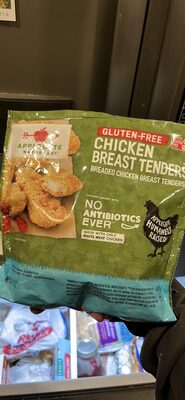
Learn more
Auto-generated content. This description was generated automatically and is pending editorial review. Inaccuracies are possible. Found a mistake? Contact us.