Chili Pepper And Salt
Auto-generated content. This description was generated automatically and is pending editorial review. Inaccuracies are possible. Found a mistake? Contact us.
What it is
Chili pepper is the dried and ground fruit of plants from the Capsicum genus, known for its spicy flavor. Salt is a mineral, sodium chloride, typically obtained from evaporated seawater or mined from underground deposits. When combined, they form a common seasoning blend.
Why it's used
This mixture is primarily used to add flavor and a spicy kick to foods, enhancing their taste. Salt also functions as a preservative, extending the shelf life of many products. It is commonly found in savory dishes, snacks, and processed foods.
Health notes
Chili pepper and its active component, capsaicin, are generally recognized as safe (GRAS) by the FDA when used as a food ingredient. While high amounts can cause temporary irritation, there are no major regulatory concerns regarding typical dietary intake. Sodium chloride (salt) is also generally recognized as safe (GRAS) by the FDA and is an essential nutrient. However, the FDA's Daily Value for sodium is 2,300 mg, and the Dietary Guidelines for Americans (2025-2030) recommend limiting sodium intake. JECFA has evaluated sodium chloride and determined that an acceptable daily intake (ADI) is not specified, indicating its safety at levels consistent with good manufacturing practice.
Allergen info
Neither chili pepper nor salt is considered one of the nine major food allergens identified by the FDA.
Products containing Chili Pepper And Salt
Compare products →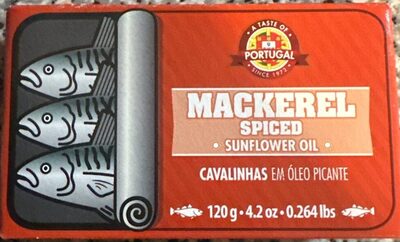 Mackerel Spiced Sunflower Oil
High in cholesterol — 23% DV per serving
188kcal
23.5Protein
10.6Fat
0Carbs
Pinter Industries, Inc.
Tome, Mackerels In Vegetable Oil With Chili
273kcal
14.6Protein
25.4Fat
0Carbs
M.C.I. Foods, Inc.
Cheese Enchiladas 120/2.50 oz. Bulk
175kcal
7.3Protein
9.2Fat
15.6Carbs
Mackerel Spiced Sunflower Oil
High in cholesterol — 23% DV per serving
188kcal
23.5Protein
10.6Fat
0Carbs
Pinter Industries, Inc.
Tome, Mackerels In Vegetable Oil With Chili
273kcal
14.6Protein
25.4Fat
0Carbs
M.C.I. Foods, Inc.
Cheese Enchiladas 120/2.50 oz. Bulk
175kcal
7.3Protein
9.2Fat
15.6Carbs