Chocolate Buttons With Peanuts
What is Chocolate Buttons With Peanuts?
Chocolate buttons are small, disc-shaped pieces of chocolate, often made with cocoa solids, cocoa butter, sugar, and milk solids. They can be made from dark, milk, or white chocolate. The manufacturing process involves melting, mixing, and molding the chocolate ingredients.
Is Chocolate Buttons With Peanuts vegan?
No. Chocolate Buttons With Peanuts is animal-derived, so it is not vegan.
Is Chocolate Buttons With Peanuts a major allergen?
Chocolate buttons containing milk solids are a major allergen (milk).
What is Chocolate Buttons With Peanuts used for?
Chocolate buttons are primarily used as a confectionery ingredient, either eaten on their own or incorporated into baked goods like cookies and muffins.
Is Chocolate Buttons With Peanuts safe?
Chocolate buttons are generally considered safe for consumption.
Why it's used
Chocolate buttons are primarily used as a confectionery ingredient, either eaten on their own or incorporated into baked goods like cookies and muffins. They can also be used as a topping for desserts or as a decorative element.
Health notes
Chocolate buttons are generally considered safe for consumption. The FDA regulates chocolate and cocoa products to ensure they meet certain standards. While chocolate contains sugar and fat, moderate consumption is not typically associated with adverse health effects. JECFA and EFSA have evaluated cocoa and chocolate products, generally finding them safe. Concerns about chocolate often relate to its sugar and calorie content, which are factors in overall dietary patterns.
Allergen info
Chocolate buttons containing milk solids are a major allergen (milk). If manufactured in a facility that also processes peanuts, tree nuts, soy, or wheat, cross-contamination is possible.
Foods that contain Chocolate Buttons With Peanuts
Compare products →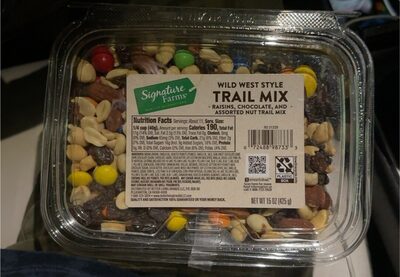
Auto-generated content. This description was generated automatically and is pending editorial review. Inaccuracies are possible. Found a mistake? Contact us.