Chymosin
What is Chymosin?
Chymosin is an enzyme that helps milk coagulate, or thicken. It is traditionally sourced from the fourth stomach of young, unweaned calves. Today, chymosin is often produced through fermentation using genetically modified microorganisms, which is a more sustainable and consistent method.
Is Chymosin vegan?
No. Chymosin is animal-derived, so it is not vegan.
Is Chymosin a major allergen?
Chymosin itself is not a major allergen.
What is Chymosin used for?
Chymosin is primarily used in cheesemaking to help separate milk solids from the liquid whey.
Is Chymosin safe?
Chymosin is generally recognized as safe (GRAS) by the FDA for use in food.
Why it's used
Chymosin is primarily used in cheesemaking to help separate milk solids from the liquid whey. This process is essential for creating the curd that forms the base of most cheeses. It is also used in some yogurt and dairy-based dessert products.
Health notes
Chymosin is generally recognized as safe (GRAS) by the FDA for use in food. It is a natural enzyme found in milk-digesting animals and is broken down during digestion. International bodies like JECFA and EFSA have evaluated chymosin and its production methods. No significant health controversies are associated with its use at typical levels.
Allergen info
Chymosin itself is not a major allergen. However, if derived from calf stomachs, it is indirectly related to milk. If produced via fermentation, it is not derived from major allergens.
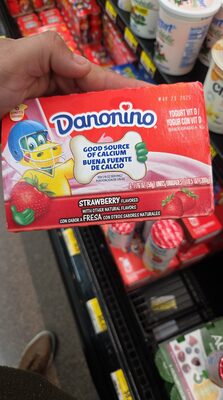
Foods that contain Chymosin
Compare products →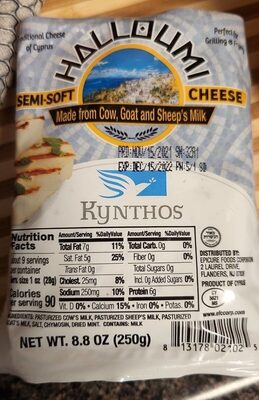
Learn more
Auto-generated content. This description was generated automatically and is pending editorial review. Inaccuracies are possible. Found a mistake? Contact us.