Citric Acid As Antioxidant
Auto-generated content. This description was generated automatically and is pending editorial review. Inaccuracies are possible. Found a mistake? Contact us.
What it is
Citric acid is a weak organic acid found naturally in citrus fruits like lemons and oranges. It is commonly produced commercially through the fermentation of a sugar source, such as corn or beet sugar, using specific strains of the mold Aspergillus niger. This process yields a pure, crystalline powder.
Why it's used
Manufacturers add citric acid primarily as an acidity regulator, flavoring agent, and antioxidant. It provides a tart, sour taste and can help preserve foods by preventing spoilage and maintaining color. It is frequently found in beverages, candies, jams, jellies, and canned fruits and vegetables.
Health notes
Citric acid is generally recognized as safe (GRAS) by the FDA for use in food. It is a common component of human metabolism. International bodies like JECFA and EFSA have evaluated citric acid and its salts, and they are considered safe for consumption. No significant health concerns are associated with typical dietary intake.
Allergen info
Citric acid is not derived from any of the nine major allergens recognized by the FDA. It does not contain gluten.
Products containing Citric Acid As Antioxidant
Compare products →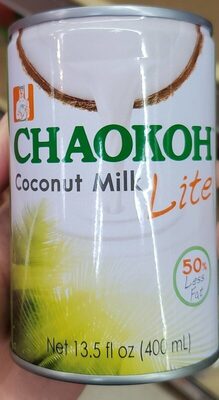 USA Underwear LLC
Chaokoh, Lite Coconut Milk
High in saturated fat — 22% DV per serving
100kcal
1.2Protein
8.8Fat
5Carbs
The Kroger Co.
Peanut Butter Creme Pie, Peanut Butter Creme
High in saturated fat — 85% DV per serving
418kcal
3.6Protein
29.1Fat
37.3Carbs
GS1 Mexico
White Corn Tamale
High in saturated fat — 25% DV per serving
High in added sugars — 42% DV per serving
260kcal
2Protein
10Fat
39Carbs
The Kroger Co.
Salted Caramel Chocolate Almond Pie, Salted Caramel Chocolate Almond
High in saturated fat — 95% DV per serving
High in cholesterol — 23% DV per serving
417kcal
5Protein
29.2Fat
36.7Carbs
GS1 Mexico
Guava Roll Candy With Chilli, Guava With Chilli
High in added sugars — 38% DV per serving
366kcal
0Protein
0Fat
57.1Carbs
USA Underwear LLC
Chaokoh, Lite Coconut Milk
High in saturated fat — 22% DV per serving
100kcal
1.2Protein
8.8Fat
5Carbs
The Kroger Co.
Peanut Butter Creme Pie, Peanut Butter Creme
High in saturated fat — 85% DV per serving
418kcal
3.6Protein
29.1Fat
37.3Carbs
GS1 Mexico
White Corn Tamale
High in saturated fat — 25% DV per serving
High in added sugars — 42% DV per serving
260kcal
2Protein
10Fat
39Carbs
The Kroger Co.
Salted Caramel Chocolate Almond Pie, Salted Caramel Chocolate Almond
High in saturated fat — 95% DV per serving
High in cholesterol — 23% DV per serving
417kcal
5Protein
29.2Fat
36.7Carbs
GS1 Mexico
Guava Roll Candy With Chilli, Guava With Chilli
High in added sugars — 38% DV per serving
366kcal
0Protein
0Fat
57.1Carbs