Clam Stock
What is Clam Stock?
Clam stock is a liquid made by simmering clams, often with their shells, in water. This process extracts the natural flavors and juices from the clams, creating a savory broth. It is typically used as a base for seafood dishes and soups.
Is Clam Stock vegan?
No. Clam Stock is animal-derived, so it is not vegan.
Is Clam Stock a major allergen?
Clam stock is derived from shellfish, which is one of the 9 major allergens recognized by the FDA.
What is Clam Stock used for?
Clam stock is primarily used to add a rich, savory seafood flavor to foods.
Is Clam Stock safe?
Clam stock is generally recognized as safe (GRAS) by the FDA when used as a food ingredient.
Why it's used
Clam stock is primarily used to add a rich, savory seafood flavor to foods. Manufacturers add it to enhance the taste profile of products like soups, chowders, sauces, and pasta dishes. It provides a distinct umami taste that is characteristic of clam-based cuisine.
Health notes
Clam stock is generally recognized as safe (GRAS) by the FDA when used as a food ingredient. It is a natural food product and does not have specific regulatory limits set for its consumption. International bodies like JECFA have evaluated many food ingredients, but specific evaluations for clam stock are not widely published. At typical consumption levels, it contributes protein and minerals to the diet.
Allergen info
Clam stock is derived from shellfish, which is one of the 9 major allergens recognized by the FDA. Individuals with shellfish allergies should avoid products containing clam stock.
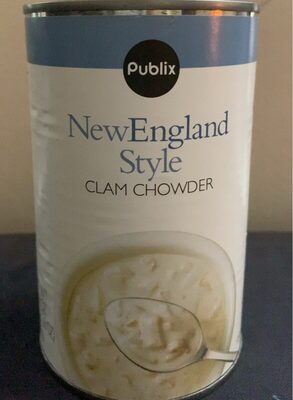
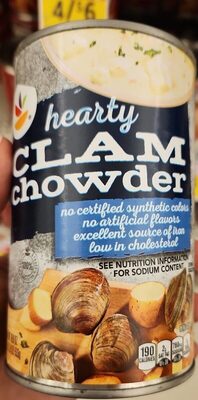
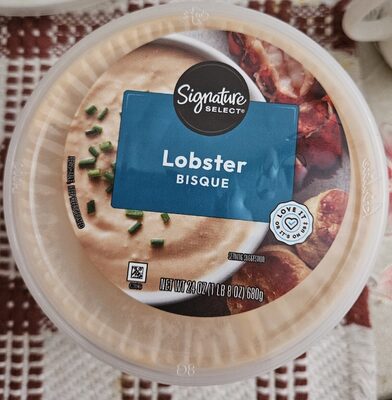
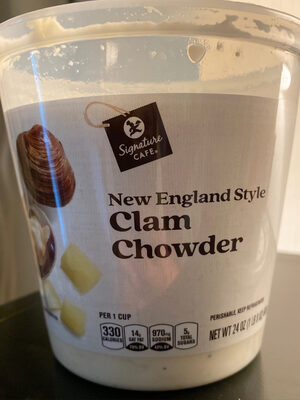
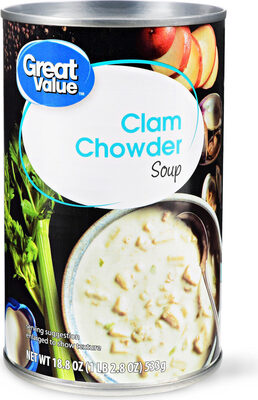
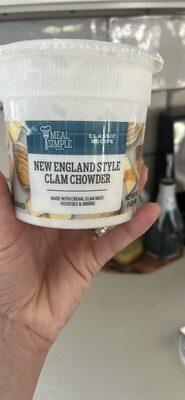
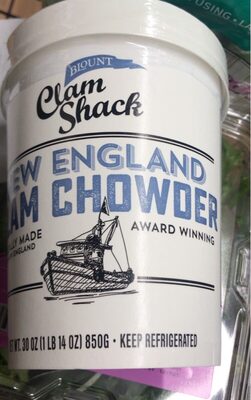
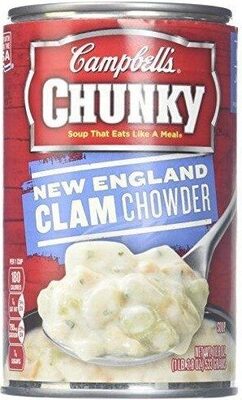
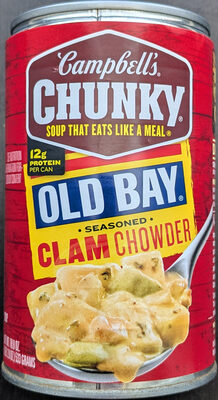
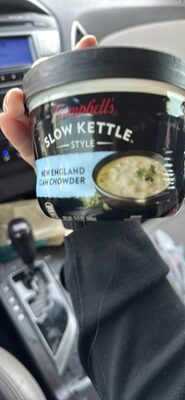
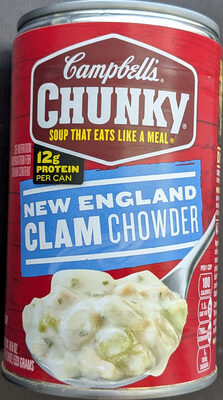
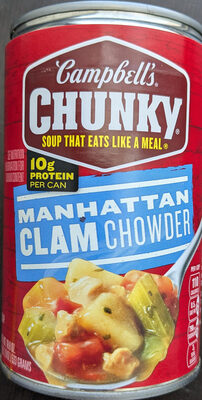
Foods that contain Clam Stock
Compare products →







Learn more
Auto-generated content. This description was generated automatically and is pending editorial review. Inaccuracies are possible. Found a mistake? Contact us.