Colour
Auto-generated content. This description was generated automatically and is pending editorial review. Inaccuracies are possible. Found a mistake? Contact us.
What it is
Food colors are substances added to food to change or enhance its appearance. They can come from natural sources like plants, minerals, or insects, or be artificially produced through chemical synthesis.
Why it's used
Manufacturers add food colors to make products more visually appealing, to replace color lost during processing, or to ensure a consistent appearance. They are commonly found in sweets, baked goods, beverages, and snacks.
Health notes
In the United States, the Food and Drug Administration (FDA) regulates food colors, categorizing them as either certified (synthetic dyes) or exempt from certification (often natural sources). While generally considered safe at typical intake levels, some artificial food colors have been the subject of public concern regarding potential links to hyperactivity in children, though scientific evidence remains mixed. JECFA has evaluated many individual food colors and set acceptable daily intakes. The FDA revoked the use of Red 3 for food in January 2025, with manufacturers having until January 2027 to comply. Additionally, in April 2025, the FDA announced a plan to phase out petroleum-based synthetic dyes, including Red 40, Yellow 5, Yellow 6, Blue 1, Blue 2, Green 3, Citrus Red 2, and Orange B. Titanium dioxide remains permitted by the FDA as a food additive.
Allergen info
Not a major allergen.
Products containing Colour
Compare products →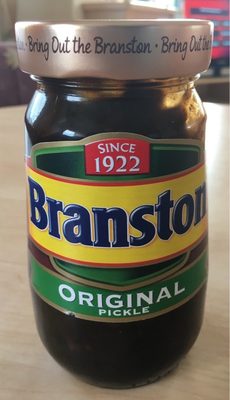 BRANSTON
Original Pickle
638kcal
0.5Protein
0.7Fat
34Carbs
BRANSTON
Original Pickle
638kcal
0.5Protein
0.7Fat
34Carbs
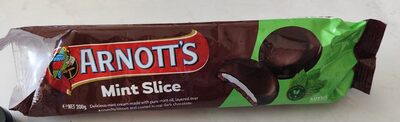 Arnott's Biscuits Limited
Arnott's, Mint Slice, Delicious Biscuits
High in saturated fat — 20% DV per serving
516kcal
6.5Protein
29.0Fat
61.3Carbs
Arnott's Biscuits Limited
Arnott's, Mint Slice, Delicious Biscuits
High in saturated fat — 20% DV per serving
516kcal
6.5Protein
29.0Fat
61.3Carbs
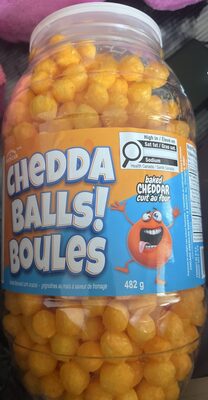 CHEDDA!
Corn Snacks Balls
500kcal
3.6Protein
32.1Fat
50Carbs
UORIKI FRESH
Uoriki Fresh, Seafood Sticks, Crab
High in sodium — 26% DV per serving
80kcal
9Protein
1Fat
10Carbs
CHEDDA!
Corn Snacks Balls
500kcal
3.6Protein
32.1Fat
50Carbs
UORIKI FRESH
Uoriki Fresh, Seafood Sticks, Crab
High in sodium — 26% DV per serving
80kcal
9Protein
1Fat
10Carbs
 FRUITFIELD
Little Chip Marmalade
273kcal
0.1Protein
0Fat
66.9Carbs
BISTO
Gravy Granules
398kcal
1.7Protein
16.3Fat
59.8Carbs
CHARLOTTE'S
Just Enough Brownie Bark
333kcal
3.3Protein
11.7Fat
60Carbs
CHARLOTTE'S
Brownie Chew Cookies
400kcal
3.3Protein
16.7Fat
63.3Carbs
FRUITFIELD
Little Chip Marmalade
273kcal
0.1Protein
0Fat
66.9Carbs
BISTO
Gravy Granules
398kcal
1.7Protein
16.3Fat
59.8Carbs
CHARLOTTE'S
Just Enough Brownie Bark
333kcal
3.3Protein
11.7Fat
60Carbs
CHARLOTTE'S
Brownie Chew Cookies
400kcal
3.3Protein
16.7Fat
63.3Carbs
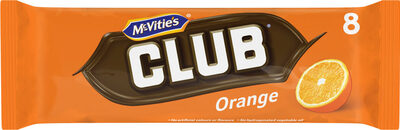 MCVITIE'S
Thick Milk Chocolate With A Smooth, Tangy Orange Flavoured Cream And A Crunchy Biscuit
527kcal
5.9Protein
27.3Fat
62.7Carbs
SUN EXOTIC
Sun Exotic, Sparkling Tropical Juice Soft Drink, Tropical Fruit
53kcal
0Protein
0Fat
12.7Carbs
SUN EXOTIC
Sun Exotic, Sparkling Tropical Juice Soft Drink, Tropical Fruit
54kcal
0Protein
0Fat
13.1Carbs
RUBICON
Rubicon, Sparkling Guava Juice Soft Drink With Real Fruit Juice, Sparkling Guava
53kcal
0Protein
0Fat
12.6Carbs
MCVITIE'S
Thick Milk Chocolate With A Smooth, Tangy Orange Flavoured Cream And A Crunchy Biscuit
527kcal
5.9Protein
27.3Fat
62.7Carbs
SUN EXOTIC
Sun Exotic, Sparkling Tropical Juice Soft Drink, Tropical Fruit
53kcal
0Protein
0Fat
12.7Carbs
SUN EXOTIC
Sun Exotic, Sparkling Tropical Juice Soft Drink, Tropical Fruit
54kcal
0Protein
0Fat
13.1Carbs
RUBICON
Rubicon, Sparkling Guava Juice Soft Drink With Real Fruit Juice, Sparkling Guava
53kcal
0Protein
0Fat
12.6Carbs