Condensed Whey
What is Condensed Whey?
Condensed whey is a dairy product made by removing water from liquid whey, a byproduct of cheesemaking. The remaining solids, primarily lactose and protein, are concentrated. It is often spray-dried to create a powder.
Is Condensed Whey vegan?
No. Condensed Whey is animal-derived, so it is not vegan.
Is Condensed Whey gluten-free?
It does not contain gluten.
Is Condensed Whey a major allergen?
Condensed whey is derived from milk and is therefore a major allergen.
What is Condensed Whey used for?
Manufacturers use condensed whey as a sweetener, flavor enhancer, and texturizer in foods.
Is Condensed Whey safe?
Condensed whey is generally recognized as safe (GRAS) by the FDA when used as a food ingredient.
Why it's used
Manufacturers use condensed whey as a sweetener, flavor enhancer, and texturizer in foods. Its milky, slightly sweet taste makes it a popular ingredient in confectionery, baked goods, and dairy-based products.
Health notes
Condensed whey is generally recognized as safe (GRAS) by the FDA when used as a food ingredient. It is a source of lactose and milk proteins. International bodies like JECFA have evaluated whey products, but no specific ADI is set for condensed whey itself. Evidence does not suggest adverse health effects at typical consumption levels.
Allergen info
Condensed whey is derived from milk and is therefore a major allergen. It does not contain gluten.
Foods that contain Condensed Whey
Compare products →


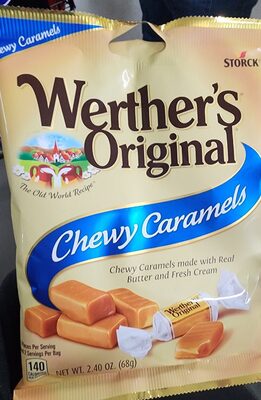


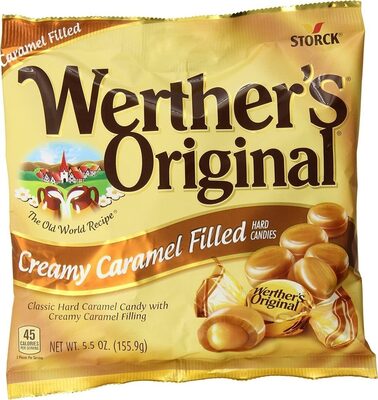
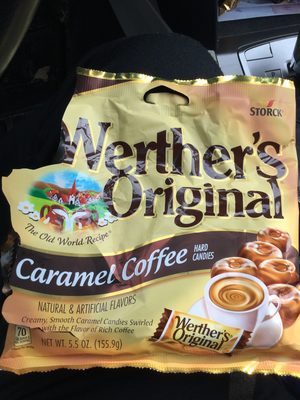




Learn more
Auto-generated content. This description was generated automatically and is pending editorial review. Inaccuracies are possible. Found a mistake? Contact us.