Contains Less Than 2% Cheese Culture
What is Contains Less Than 2% Cheese Culture?
Cheese culture is a starter culture, typically containing bacteria, used in cheesemaking. These microorganisms help to develop the characteristic flavor, texture, and aroma of cheese. They are added to milk during the cheesemaking process to initiate fermentation.
Is Contains Less Than 2% Cheese Culture a major allergen?
Cheese culture itself is not one of the 9 FDA major allergens.
What is Contains Less Than 2% Cheese Culture used for?
Manufacturers add cheese culture to foods to impart a cheesy flavor or to act as a processing aid in the production of cheese-based ingredients.
Is Contains Less Than 2% Cheese Culture safe?
In the US, cheese culture is generally recognized as safe (GRAS) by the FDA when used as intended.
Why it's used
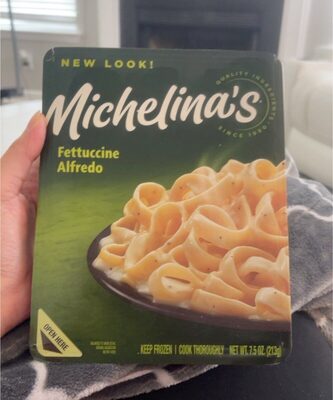
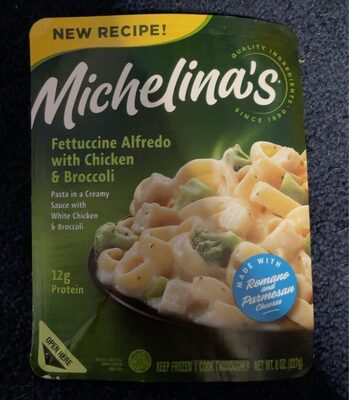
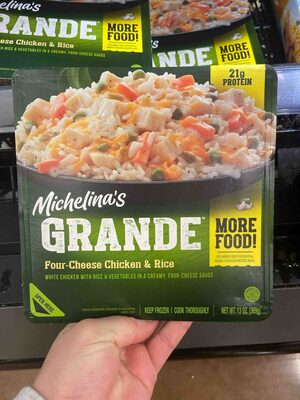
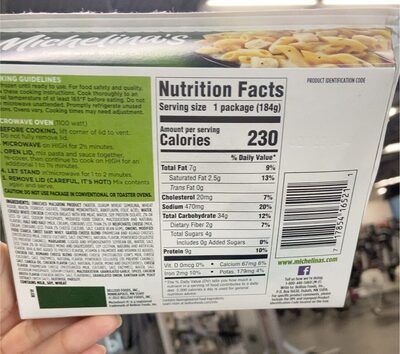
Manufacturers add cheese culture to foods to impart a cheesy flavor or to act as a processing aid in the production of cheese-based ingredients. It is commonly found in frozen dinners, pasta dishes, sauces, and snack foods where a cheese flavor is desired.
Health notes
In the US, cheese culture is generally recognized as safe (GRAS) by the FDA when used as intended. It is a natural component of many fermented dairy products and is not associated with adverse health effects at typical consumption levels. International bodies like JECFA and EFSA have evaluated starter cultures, and they are considered safe for use in food.
Allergen info
Cheese culture itself is not one of the 9 FDA major allergens. However, cheese, from which cheese culture is derived, is a dairy product and therefore contains milk, which is a major allergen.
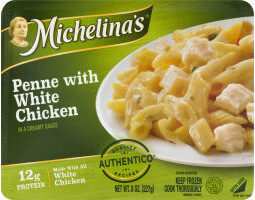
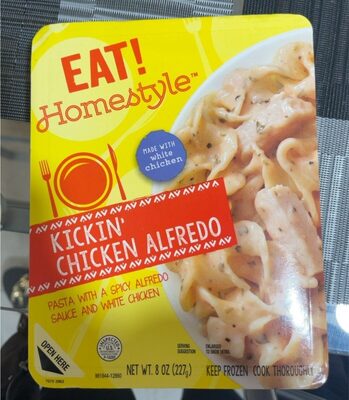
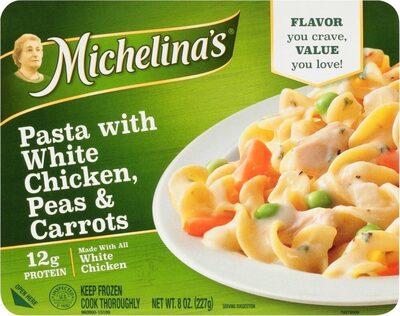
Foods that contain Contains Less Than 2% Cheese Culture
Compare products →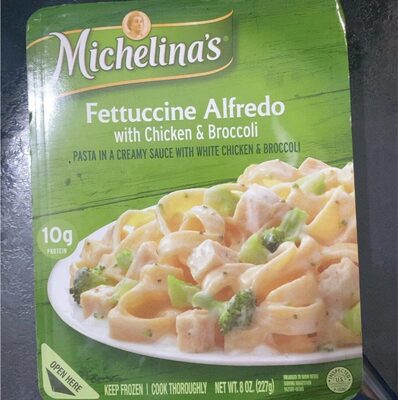
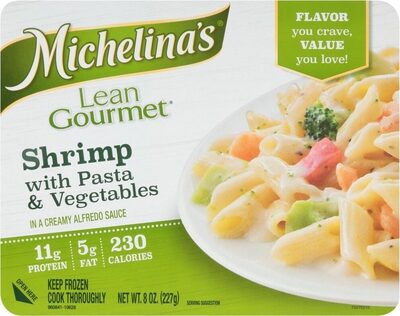
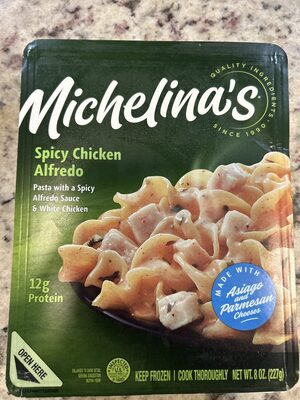
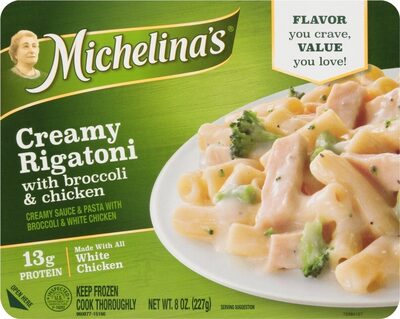
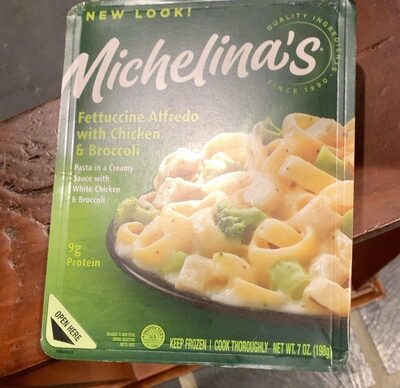
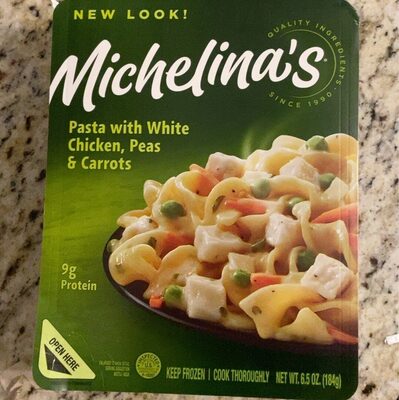
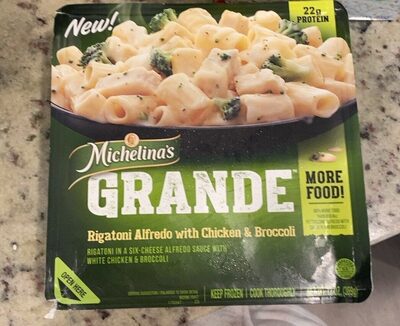
Learn more
Auto-generated content. This description was generated automatically and is pending editorial review. Inaccuracies are possible. Found a mistake? Contact us.